
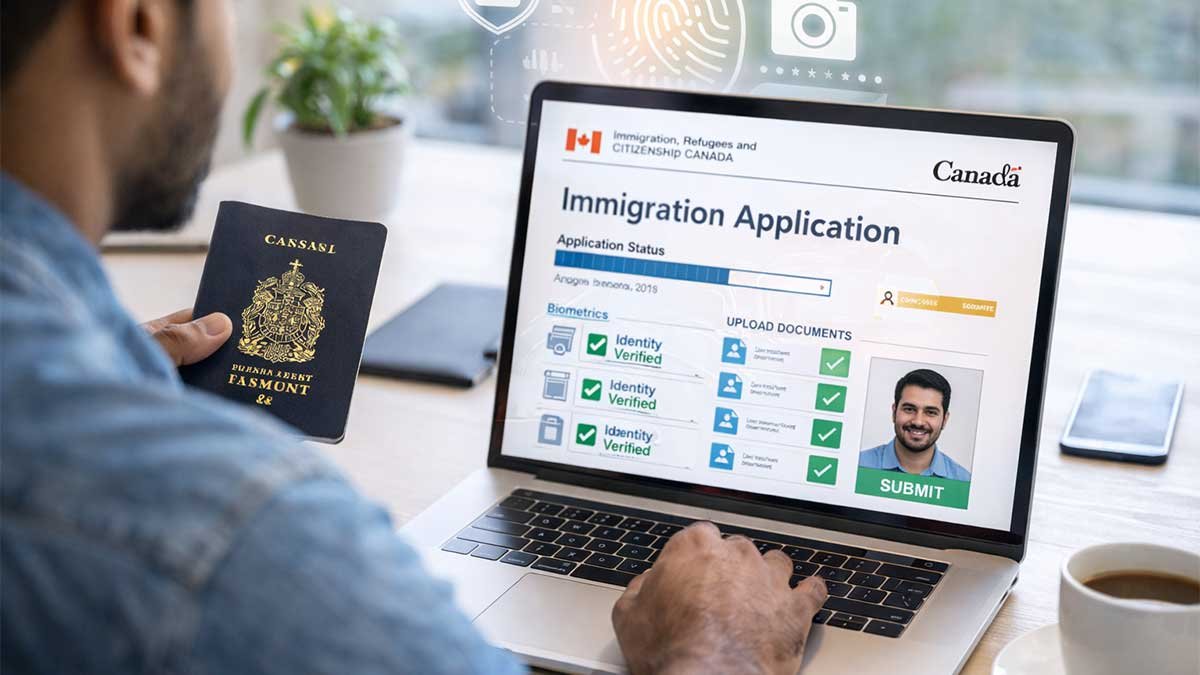

Canada’s immigration system is entering a new digital era. Through its Digital Platform Modernization initiative, Immigration, Refugees and Citizenship Canada is transforming how applications are submitted, reviewed, and approved. Nearly every stage of the immigration journey is now shifting online, from identity verification to document uploads and payment processing.
For newcomers, this is more than a simple upgrade in convenience. It represents a structural change in how immigration works, with a strong focus on security, speed, and user control. Understanding how these new digital identity rules function is essential for anyone planning to move to Canada in 2026 and beyond.
The Purpose Behind Canada’s Digital Identity Transformation
The move toward digital identity systems is part of a broader government strategy aimed at improving efficiency and reducing fraud. Traditional paper-based processes are being replaced with automated systems that can verify documents in real time and flag inconsistencies instantly.
This transition also allows applicants to manage their cases remotely. Instead of relying on in-person visits or manual submissions, individuals can now track progress, upload documents, and receive updates through secure online platforms.
The result is a more streamlined process that reduces processing delays while maintaining higher levels of accuracy and security.
What IRCC’s Digital Identity System Means in Practice
At the core of this transformation is the introduction of digital identity verification tools. These systems confirm the authenticity of documents and applicant information without requiring manual checks at every step.
One of the most notable examples is the digital verification of Letters of Acceptance for international students. Educational institutions can now confirm these documents directly through secure systems before study permits are approved.
Since the launch of this verification system in late 2023, hundreds of thousands of checks have been completed, with tens of thousands of fraudulent documents identified and stopped. This highlights the increasing reliance on automated systems to protect the integrity of Canada’s immigration programs.
How Identity Verification Now Works for Applicants
For most applicants, the immigration process now begins and continues online. Creating a secure account is mandatory, and this account becomes the central hub for managing the entire application.
Through this portal, applicants can upload documents, book biometric appointments, pay fees, and monitor the status of their applications. Biometric data, including fingerprints and photographs, remains a key component of identity verification and must be completed as part of the process.
The expansion of digital services has also led to a sharp increase in requests for personal data access. In the 2024–2025 period, over 100,000 Privacy Act requests were submitted, reflecting how many applicants are actively engaging with their digital records.
This shift makes digital literacy and secure account management essential skills for newcomers.
The Role of Digital Payments in the Immigration Process
Financial transactions are now fully integrated into the digital immigration system. Application fees, service charges, and other payments must be completed through approved online methods.
In Canada, one of the most widely used systems is Interac. It is deeply embedded in the country’s financial infrastructure and is commonly used for secure, bank-linked transactions.
For newcomers, this is particularly important because Interac does not require a credit history. It connects directly to Canadian bank accounts, making it accessible even for those who are new to the financial system.
Understanding how to use such payment tools helps avoid delays in processing applications and ensures that required fees are submitted without complications.
Preparing Digitally Before Arriving in Canada
The shift to digital immigration means preparation must begin before arrival. Applicants should ensure that they have set up their secure IRCC accounts and are familiar with how to use them.
Submitting biometric data on time, organizing digital copies of documents, and understanding payment methods are all critical steps. These tasks are no longer optional but central to the success of an application.
Choosing a bank that supports digital payment systems like Interac is also important. Most major Canadian banks offer this functionality, making it easier to manage financial transactions immediately upon arrival.
Growing Importance of Digital Identity Infrastructure
Canada’s investment in digital identity systems reflects a broader global trend. Identity verification technologies are expanding rapidly, supported by both government and private sector innovation.
Improvements in system performance have already been observed, including higher success rates for completing account-related tasks and smoother user experiences across platforms.
As these systems continue to evolve, they are expected to play an even greater role in immigration compliance, security, and efficiency.
Benefits and Challenges for Newcomers
The new digital system offers several advantages. Applications can be processed faster, fraud is reduced, and applicants have more visibility into their case status.
However, the shift also introduces new challenges. Applicants must be comfortable navigating online systems, protecting their personal data, and managing digital documentation.
Those who adapt early to these requirements are more likely to experience a smooth and efficient immigration process.
- → Need a Passport Fast? How to Expedite Your U.S. Passport Renewal Step-by-Step
- → Want a $60K+ Salary Without a 4-Year Degree? 15 Certificates You Can Finish in Under a Year
- → Planning a Trip to Europe? 6 Essential Entry Rules to Avoid Denial at the Border
- → Heading to Border Control? Key Immigration Questions You Must Be Ready to Answer
- → Planning a European Trip? What Starkville’s Indian Community Should Know About Schengen Visas
- → 11 Countries Offering Funded Ph.D. Programs for International Students
- → U.S. Dollar Reaches Two-Week High Driven by Middle East Tensions and Fed Policy Outlook
Conclusion
Canada’s move toward a fully digital immigration system marks a significant change in how newcomers interact with the process. By integrating identity verification, document management, and payments into secure online platforms, the government is creating a more efficient and transparent system.
For applicants, success now depends not only on meeting eligibility requirements but also on understanding and using these digital tools effectively. Preparing in advance, setting up accounts, and becoming familiar with digital processes can make a substantial difference.
As the system continues to evolve, digital readiness will become an essential part of immigrating to Canada.
Frequently Asked Questions (FAQs)
What is IRCC’s digital identity system
It is a set of online tools that verify applicant identity and documents automatically, reducing the need for manual checks.
Do I need to create an online account to apply
Yes, most immigration applications now require a secure online account to manage submissions and track progress.
What payment methods are commonly used
Digital payment systems like Interac are widely used because they connect directly to Canadian bank accounts.
Is biometric data still required
Yes, biometric information remains a key part of identity verification and must be completed as part of the application process.
How can I prepare before arriving in Canada
Set up your IRCC account, organize digital documents, complete biometrics, and understand payment systems in advance.
