
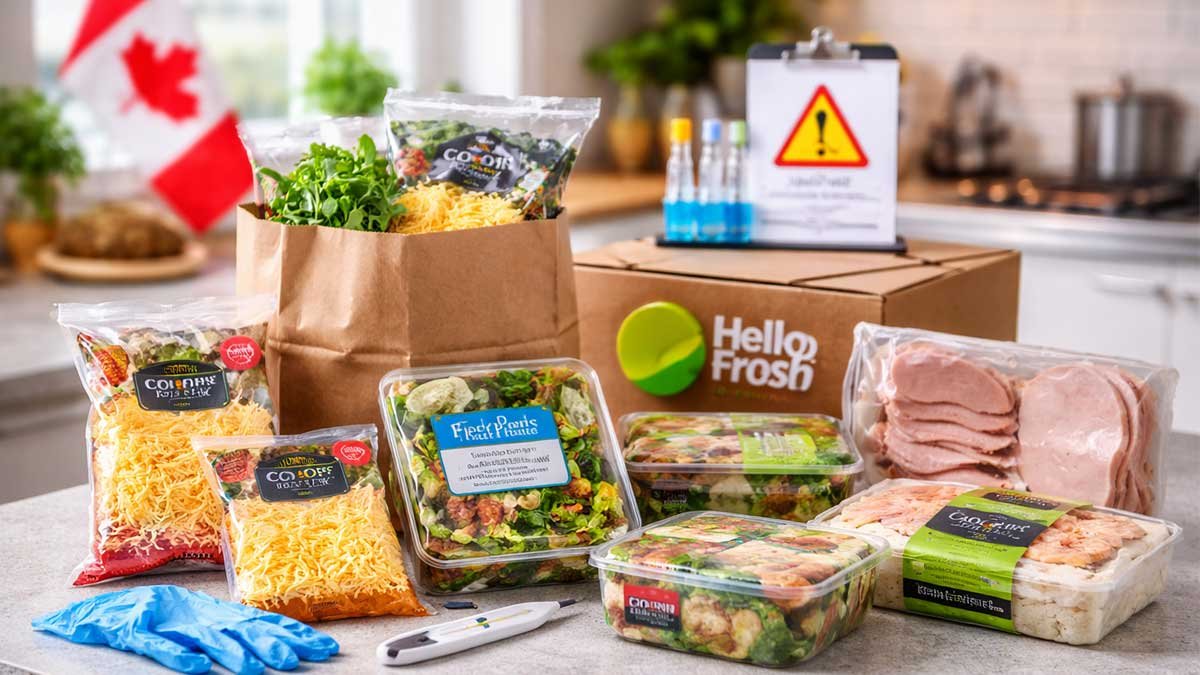

Food safety concerns have taken centre stage in Canada as multiple nationwide recalls were announced in early April 2026. The Canadian Food Inspection Agency has flagged several widely distributed food items due to contamination risks and quality issues, prompting urgent action from consumers across the country.
From dairy products to ready-to-eat meals and deli meats, these recalls affect both retail shoppers and food service providers. While no illnesses had been confirmed at the time of the announcements, the potential health risks—particularly those linked to Listeria contamination—have made these recalls especially serious.
Overview of the April 2026 Food Recalls
During the first week of April, multiple products were pulled from shelves following safety concerns. The most significant issue identified was contamination with Listeria monocytogenes, a bacterium known to cause severe illness.
The recalls span several categories including cheese products, meal kits, packaged salads, and poultry deli meats. These products were distributed across various provinces, with some recalls affecting the entire country while others were limited to specific regions.
Widespread Cheese Recall Due to Listeria Risk
One of the most extensive recalls involves a large number of cheese products distributed nationwide. These products were removed after concerns emerged about possible Listeria contamination.
The recall, initiated by Gay Lea Co-operative Ltd., has been classified as a Class 1 recall—the highest risk category. This classification indicates that consuming the affected products could result in serious health consequences or even death.
Several well-known brands are included, such as Paradise Island Cheese, Bothwell, Only Goodness, Western Family, Goldstream, and Sysco Reliance. These products were sold in grocery stores and also supplied to restaurants, hotels, and institutional kitchens.
Despite the severity of the recall, no confirmed cases of illness had been reported at the time the alert was issued.
Understanding Listeria and Its Health Impact
Listeria monocytogenes is a particularly dangerous bacterium because it is not easily detectable. Contaminated food may appear completely normal in smell, taste, and appearance.
Symptoms of infection can include fever, nausea, vomiting, muscle aches, headaches, and stiffness in the neck. In more severe cases, especially among vulnerable groups such as pregnant women, older adults, and individuals with weakened immune systems, the infection can lead to life-threatening complications.
Because of these risks, authorities treat any potential Listeria contamination with the highest level of urgency.
Meal Kit and Salad Recalls Expand the Risk
The recall situation extends beyond packaged cheese. Meal kit services, including those operated by HelloFresh and Chefs Plate, have also been impacted due to contaminated cheese ingredients included in their deliveries.
Additionally, certain ready-to-eat salad products sold in Western Canada have been pulled from the market. These include items from CO-OP and Freshprep, with distribution concentrated in provinces such as British Columbia, Alberta, Manitoba, Saskatchewan, and the Northwest Territories.
Consumers who purchased these products are advised not to consume them under any circumstances.
Poultry Deli Meat Recall Across Canada
Another significant recall involves poultry deli meat products distributed nationally. Unlike the Listeria-related recalls, this issue is linked to reports of unusual odour and taste.
The recall, issued by Sofina Foods Inc., affects eight major brands including Compliments, Your Fresh Market, Selection, Ziggy’s, Royal, Lilydale, Sysco, and Brickman’s.
This recall has been categorized as Class 3, indicating a lower level of health risk. However, consumers are still advised to avoid consuming these products and return or dispose of them.
Provincial Impact of the Recalls
The impact of these recalls varies by region. While cheese and deli meat recalls apply nationwide, some products have more localized distribution.
Residents in Ontario, Quebec, and Atlantic provinces are primarily affected by national recalls. Meanwhile, Western provinces such as British Columbia and Alberta face additional risks due to the salad recalls.
Consumers in all regions are encouraged to carefully review product labels and best-before dates to identify any potentially affected items.
Additional Recalls Beyond Food Products
April 2026 has also seen a range of non-food product recalls across Canada. These include consumer goods, medical devices, and vehicles.
Health Canada has issued warnings about products such as strollers, canopy bed frames, and climbing equipment due to safety hazards. Several medical devices have also been recalled due to regulatory concerns.
Transport Canada has announced vehicle recalls affecting multiple manufacturers, including software issues and safety defects in thousands of vehicles.
These developments highlight the importance of staying informed not only about food safety but also about broader product safety concerns.
What Consumers Should Do Immediately
Consumers are strongly advised to inspect their refrigerators and pantries for any recalled items. Products identified in recall notices should not be consumed, even if they appear safe.
- → New Canada Benefit Payments Arriving This Week in May 2026
- → Canada Bread Settlement Payments Begin Rolling Out Across Canada in 2026
- → Canada Immigration Backlog Update 2026: IRCC Application Inventory Crosses 2.15 Million
- → Canada Expands Visa-Free Travel Access for Citizens of Indonesia and Malaysia in 2026
- → Canada’s 365-Day Maintained Status Work Rule in 2026: What Foreign Workers Need to Know
- → Canada Launches Early Retirement Incentive Program in 2026: Eligibility, Benefits, and Application Process Explained
- → Bringing Your Family to New Zealand on a Work Visa: Complete 2026 Guide
The recommended steps include disposing of the products safely or returning them to the place of purchase for a refund. Anyone experiencing symptoms after consuming a recalled product should seek medical attention without delay.
Signing up for recall alerts from the Canadian Food Inspection Agency can help consumers stay updated on future safety warnings.
Conclusion
The food recalls announced in April 2026 serve as a critical reminder of the importance of food safety vigilance. With contamination risks such as Listeria posing serious health threats, swift action from both authorities and consumers is essential.
While no illnesses have been reported so far, the scale and severity of these recalls underline the need for awareness and proactive measures. By checking products carefully and following official guidance, Canadians can reduce the risk of exposure and protect their households.
Staying informed remains the most effective way to navigate these situations and ensure food safety in an evolving marketplace.
Frequently Asked Questions (FAQs)
What is the main reason for the April 2026 food recalls in Canada
The primary cause is possible contamination with Listeria monocytogenes, along with quality issues such as unusual odour in deli meats.
Are all provinces affected equally
No. While some recalls are nationwide, others—such as certain salad products—are limited to specific regions, particularly Western Canada.
Have there been any reported illnesses
As of the recall announcements, no confirmed cases of illness had been linked to the affected products.
What should I do if I have a recalled product
Do not consume it. Dispose of it safely or return it to the retailer for a refund.
How can I stay updated on future recalls
You can subscribe to alerts from the Canadian Food Inspection Agency to receive real-time updates on food safety issues.
