

Historic Drop in UK Immigration Numbers Sparks Economic Concerns
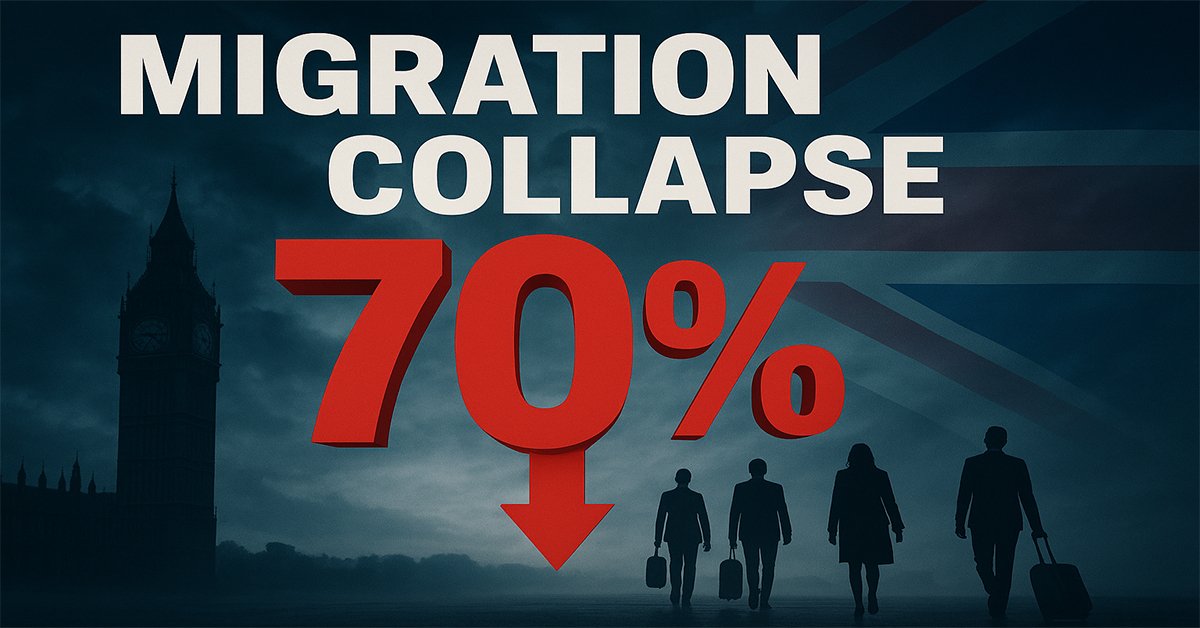
The United Kingdom has witnessed a dramatic 70% reduction in net migration, falling from 650,000 in June 2024 to just 204,000 in June 2025, according to the latest Office for National Statistics (ONS) data released on November 27, 2025. This represents the most significant decline in migration figures in recent UK history, raising critical questions about workforce availability and economic growth.
Understanding the Net Migration Collapse
The sharp decline from the peak of 944,000 recorded in March 2023 to the current 204,000 marks an almost 80% reduction in just over two years. Immigration experts Shara Pledger and Alex Wright of Pinsent Masons describe this as the clearest evidence yet of the government’s aggressive immigration restriction policies achieving their intended effect.
What Caused the Dramatic Fall?
The unprecedented drop stems from comprehensive policy changes targeting multiple immigration routes, particularly affecting foreign students, skilled workers, and care sector employees.
Major Policy Changes Driving Migration Decline
Restrictions on Student Dependants
The government implemented sweeping restrictions on international students bringing family members to the UK. Starting January 2024, most overseas students were prohibited from bringing dependants, with only certain Masters research students exempted. This policy alone significantly reduced migration numbers, as students historically represented a substantial portion of UK arrivals.
Impact on Universities: The restrictions have raised concerns about the competitiveness of UK higher education institutions in the global market, as students increasingly consider family-friendly policies when choosing study destinations.
Care Worker Visa Limitations
Since March 2024, care workers have been restricted from bringing family members to the UK. This policy specifically targeted the care sector, which had seen substantial growth in visa approvals in previous years.
Healthcare Sector Concerns: With an aging population and increasing care demands, industry leaders warn that these restrictions may exacerbate existing workforce shortages in the critical care sector.
Skilled Worker Visa Overhaul
July 2025 brought comprehensive changes to the skilled worker route, including increased salary thresholds, enhanced skill level requirements, and limited eligible occupation categories. These modifications affected both entry-level positions and experienced professional roles.
Key Changes Include:
- Higher minimum salary requirements
- Stricter skill level classifications
- Reduced list of eligible occupations
- Increased visa application fees
Financial Barriers to Immigration
The government substantially increased costs associated with immigration, creating significant financial barriers for both workers and sponsoring employers.
Immigration Health Surcharge Increases:
- Adult rate: £624 to £1,035 (66% increase, February 2024)
- Children and students: £470 to £776 (65% increase)
Immigration Skills Charge:
- Increasing from £1,000 to £1,320 annually (effective December 16, 2025)
These cost increases represent substantial financial burdens, particularly for families and employers sponsoring multiple workers.
Upcoming Policy Changes for 2026-2027
English Language Test Requirements
From January 8, 2026, skilled workers must meet higher English language proficiency standards, potentially excluding candidates who would have previously qualified under existing requirements.
Graduate Visa Duration Reduction
Starting January 2027, graduate visas will be reduced from 24 months to 18 months, giving international graduates less time to secure skilled employment and transition to long-term work visas.
Impact on International Students: This reduction may deter prospective students who view post-study work opportunities as crucial factors in their education investment decisions.
Settlement Period Extension
The government announced plans to double the permanent settlement qualifying period from 5 to 10 years, with potential reductions for individuals making “strong contributions to British life.”
Who Will Be Affected: This change is expected to impact approximately 2 million migrants who arrived in the UK since 2021, significantly extending their pathway to permanent residency.
Government Consultation on Settlement Reform
The UK government launched a comprehensive consultation on reforming the settlement system, seeking input on implementation approaches and potential transitional arrangements for current residents. The consultation runs through February 26, 2026, and will shape future immigration policy.
Key Consultation Questions
Transitional Arrangements: Should the government exempt certain current UK residents from the extended 10-year requirement?
Contribution Criteria: How should “strong contribution to British life” be defined and measured for settlement purposes?
Implementation Timeline: What timeframe allows for fair implementation while achieving policy objectives?
Economic Implications of Reduced Migration
Labour Market Concerns
Immigration specialists warn that focusing exclusively on high-skilled workers may create critical gaps in sectors requiring varied skill levels.
Vulnerable Sectors Include:
- Healthcare and social care
- Hospitality and food services
- Construction and trades
- Agriculture and food production
- Logistics and transportation
Skills Gap Analysis
While the government aims to prioritize domestic workforce development, immediate labour needs in several sectors may exceed available British workers, particularly in specialized roles and regions with specific shortages.
Economic Growth Considerations
Migration historically contributes to economic growth through workforce expansion, tax contributions, and consumer spending. The dramatic reduction raises questions about potential economic impacts, particularly in sectors heavily reliant on international workers.
Regional Impact Variations
The effects of reduced migration vary significantly across UK regions. London and Southeast England, which historically received the highest proportion of immigrants, may experience more pronounced labour market impacts compared to regions with lower migration rates.
- → 7 Essential Business Strategies Transforming Success in 2024
- → AI and Machine Learning in 2026: Transforming Business Through Intelligent Innovation
- → Canada Immigration Backlog Update 2026: What the Latest IRCC Data Really Means
- → Mass Flight Disruptions Across Asia: 2,186 Delays and 134 Cancellations Hit Major Airports in India, Japan, Thailand, Malaysia, UAE, Singapore, and Qatar
- → $800 CRA Payment in March 2026: Which Canadian Families Qualify and When to Expect Their Direct Deposit
- → $533 GST/HST Credit for March 2026: Payment Dates, Eligibility, and Everything Canadians Need to Know
- → Canada Medical Expense Tax Claims 2026: Everything You Need to Know Before Filing
Scotland and Wales Perspectives
Scottish and Welsh governments have expressed concerns about migration reductions affecting their demographic and economic goals, particularly given aging populations and specific workforce needs in rural areas.
International Student Market Competition
The UK faces increased competition from countries like Canada, Australia, and Ireland, which offer more favorable post-study work opportunities and family-friendly policies for international students.
University Sector Response
UK universities, which derive substantial revenue from international students, are advocating for policy adjustments that maintain the UK’s competitiveness in the global education market while addressing government concerns about net migration.
Business Community Reactions
Employers across various sectors have raised concerns about recruitment challenges resulting from restricted immigration routes and increased costs.
Small and Medium Enterprises
SMEs particularly struggle with higher sponsorship costs and administrative burdens, potentially limiting their ability to access international talent compared to larger corporations with dedicated immigration resources.
Technology and Innovation Sectors
Tech industry leaders warn that restrictive policies may drive talent to competing global hubs, potentially undermining the UK’s ambitions as a technology and innovation leader.
Comparative Analysis: UK vs. Other Countries
United States
The US faces similar debates around immigration policy, with proposed H-1B visa fee increases and restrictions affecting skilled worker routes.
European Union
Post-Brexit, the UK competes with EU member states that offer freedom of movement within the bloc, creating recruitment advantages for continental European employers.
Canada and Australia
Both countries maintain points-based immigration systems emphasizing skilled migration but generally offer more accessible pathways to permanent residency compared to the UK’s extended timeline.
Expert Perspectives on Policy Effectiveness
Immigration specialists Shara Pledger and Alex Wright question whether the current approach balances migration control objectives with economic necessity. Their concerns reflect broader debate within policy circles about optimal immigration levels for economic growth and social cohesion.
The Central Question
Can a limited, highly-skilled workforce meet the comprehensive needs of the UK labour market and broader economy, particularly in sectors requiring workers across various skill levels?
Historical Context
The current figures represent a return to pre-pandemic migration levels, though the composition differs significantly. Previous periods with comparable numbers occurred during different economic conditions and policy environments.
Pre-2021 Migration Patterns
Before the pandemic and post-Brexit policy changes, net migration fluctuated between 200,000 and 300,000 annually, suggesting the current figures align with historical norms but arrive through different pathways and policies.
Political Landscape
Immigration remains a contentious political issue across the UK political spectrum, with parties holding diverse views on optimal migration levels and policy approaches.
Government Objectives
The current government emphasizes reducing net migration to “sustainable levels” while ensuring critical workforce needs are met through domestic training and selective skilled immigration.
Opposition Positions
Opposition parties criticize the approach as potentially harmful to economic growth and public services, advocating for more nuanced policies that balance control with pragmatic labour market needs.
Future Outlook and Predictions
Short-Term Projections
Migration figures are expected to remain suppressed through 2026 as recent policy changes take full effect and potential migrants respond to more restrictive conditions.
Long-Term Considerations
The sustainability of current policies depends on several factors:
Domestic Workforce Development: Success of initiatives training British workers for roles previously filled by immigrants
Economic Performance: Whether labour shortages in key sectors constrain economic growth
Policy Adjustments: Potential modifications based on consultation outcomes and observed impacts
Global Competition: UK’s ability to attract desired talent in an increasingly competitive international market
Impact on Different Visa Categories
Work Visas
Skilled worker visas have seen the most significant decline, with both application volumes and approval rates falling as requirements tighten and costs increase.
Family Visas
Restrictions on dependants for students and care workers substantially reduced family migration, contributing significantly to overall decline.
Study Visas
While student visa applications remain substantial, the prohibition on dependants and reduced post-study work periods have dampened growth in this category.
Sector-Specific Analysis
National Health Service
The NHS relies heavily on international recruitment, particularly for nursing and medical positions. Current restrictions may exacerbate existing workforce shortages in healthcare.
Social Care
The care sector faces acute challenges, with dependant restrictions deterring potential workers while demand increases with an aging population.
Technology and Finance
Financial services and technology companies warn that talent competition from global hubs may intensify as UK policies become more restrictive.
Agriculture
Seasonal agricultural work faces ongoing challenges, though separate schemes address some sector-specific needs.
Public Opinion Dynamics
UK public opinion on immigration remains divided, with varying perspectives on optimal migration levels, economic benefits, and social impacts.
Polling Trends
Recent surveys suggest public concern about immigration has moderated somewhat compared to peak levels during the Brexit referendum period, though it remains a significant political issue.
Compliance and Enforcement
The government has enhanced enforcement mechanisms to ensure compliance with new requirements, including increased audits of sponsoring employers and stricter penalties for violations.
Employer Responsibilities
Sponsoring employers face heightened scrutiny and must demonstrate compliance with all requirements, including salary thresholds, skills levels, and reporting obligations.
Pathway for Current Residents
The consultation on settlement reforms will significantly impact approximately 2 million migrants currently in the UK, many of whom planned for 5-year pathways to permanent residency.
Uncertainty Factors
The extended timeline creates uncertainty for families, career planning, and long-term commitments, potentially affecting retention of talent already in the UK.
Conclusion: Balancing Control and Economic Needs
The 70% reduction in UK net migration represents a dramatic policy achievement for those prioritizing migration control. However, the critical question remains whether this approach optimally serves the UK’s economic interests and labour market needs.
As the settlement consultation proceeds and new policies take effect through 2026-2027, the government faces the challenge of balancing migration control with economic growth, workforce adequacy, and the UK’s position in global talent markets.
The coming years will demonstrate whether the current restrictive approach proves sustainable or requires adjustment to address emerging economic challenges and labour shortages across critical sectors.
Disclaimer: Immigration policies change frequently. This article provides general information current as of November 2025. Individuals and employers should consult qualified immigration advisors for guidance specific to their circumstances.
How to Stay Informed
- Monitor ONS releases for updated migration statistics
- Follow Home Office announcements on policy changes
- Participate in government consultations affecting immigration
- Consult immigration specialists for personalized guidance
- Track settlement consultation outcomes through February 2026
