
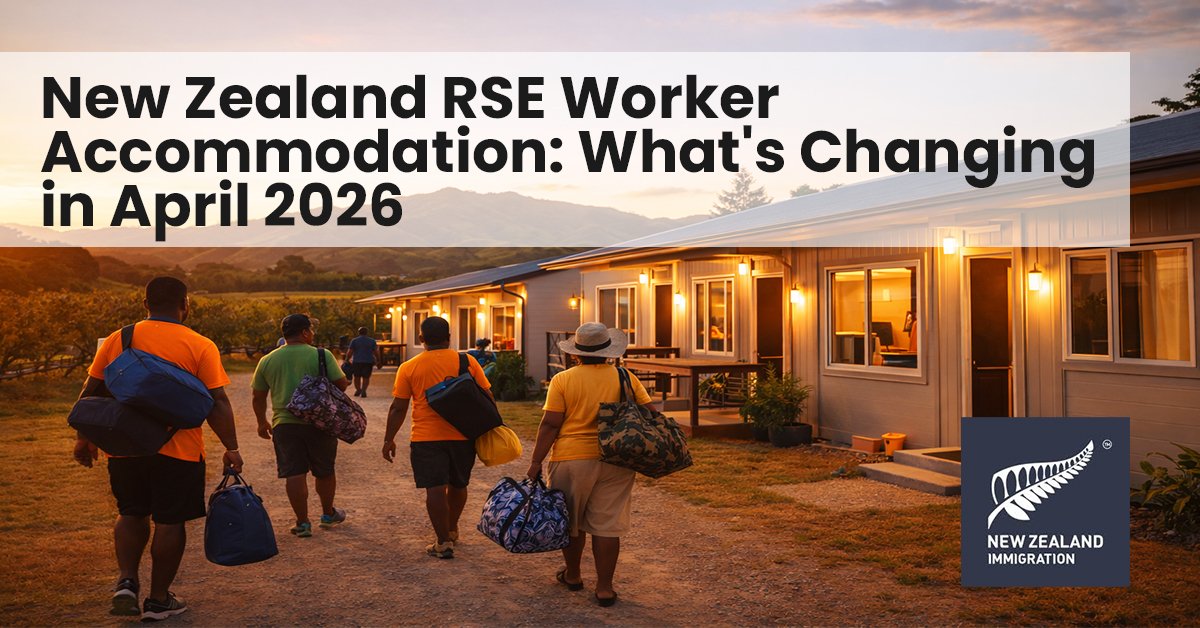

If you’re a seasonal employer in New Zealand’s horticulture or viticulture industry, or a Pacific worker planning to join the Recognised Seasonal Employer scheme, significant changes are coming your way. Starting April 2026, a new framework for accommodation costs will reshape how housing is priced and provided for RSE workers across the country.
These changes weren’t made in isolation. They’re the result of extensive conversations with Pacific government representatives, industry leaders, and officials from both New Zealand and partner nations. The goal? To create a system that’s transparent, fair, and sustainable for everyone involved.
Understanding the New Rent Cap System
The most notable change is the introduction of weekly rent caps that range from $150 to $211 NZD. But here’s what makes this system different—it’s not a one-size-fits-all approach.
Your accommodation’s rental rate will depend on several quality factors. Think of it as a tiered system where better accommodation commands higher rental caps. The government will assess properties based on specific criteria including how many people share each bedroom, the age and condition of the building, and practical details like bathroom access and proximity to sleeping areas.
This quality-based pricing model serves a dual purpose. It protects workers from excessive charges while simultaneously encouraging employers to invest in better housing options. If you upgrade your facilities to meet higher standards, you can charge rates closer to the $211 cap. Basic accommodation that meets minimum requirements will fall toward the $150 end of the spectrum.
What This Means for Employers
If you’re an RSE employer, the rules are clear: you can only recover your actual costs. There’s no room for profiting from accommodation provision. Every deduction from workers’ wages must be reasonable, verifiable, and comply with New Zealand employment law—specifically the Minimum Wage Act and the Wages Protection Act.
The responsibility for ensuring these deductions are lawful rests squarely with employers. This isn’t just about following new guidelines; it’s about understanding your ongoing legal obligations under existing employment legislation.
One practical consideration is that rent caps will be adjusted annually for inflation, giving both employers and workers predictability in their planning. No more sudden spikes or uncertainty about costs year-to-year.
The Bigger Picture: Accommodation in the RSE Scheme
While these 2026 changes focus on pricing, it’s worth understanding the broader accommodation landscape within the RSE program. Recent industry discussions have highlighted accommodation availability as one of the scheme’s most significant constraints.
Currently, certain regions face restrictions on using residential housing for RSE workers. Areas like Bay of Plenty, Hawke’s Bay, Northland, parts of Auckland, Marlborough, Nelson, Tasman, and Otago all have limitations designed to protect local housing markets. These restrictions apply only to accommodation being used for the first time under the RSE scheme.
- → Germany Student Visa Now Processed in Just 6 Days at Indian Consulates: Act Before Easter Deadline
- → $800 CRA Payment in March 2026: Which Canadian Families Qualify and When to Expect Their Direct Deposit
- → $533 GST/HST Credit for March 2026: Payment Dates, Eligibility, and Everything Canadians Need to Know
- → Canada Medical Expense Tax Claims 2026: Everything You Need to Know Before Filing
- → Canada Pension Plan (CPP) and Old Age Security (OAS): 2026 Payment Updates Every Canadian Retiree Should Know
- → Canada Immigration Backlog Update 2026: What the Latest IRCC Data Really Means
- → Immigration in 2026: Navigating Global Trends and Economic Implications
Accommodation Options That Meet the Standards
So what type of housing can you provide? Employers have several options beyond traditional residential homes:
Purpose-built seasonal worker accommodation remains the gold standard. These facilities are designed specifically for the unique needs of seasonal workers and can command higher rental rates under the new caps.
Converted or repurposed properties offer flexibility, allowing creative solutions while meeting quality standards.
On-site housing at commercial orchards or vineyards provides convenience and can streamline daily operations.
Guest accommodation arrangements including designated boarding houses, motels, homestays, or billeting situations give employers additional flexibility, particularly in regions with tight housing markets.
All accommodation, regardless of type, must meet quality guidelines assessed by the Labour Inspectorate. These standards align with existing healthy homes requirements, boarding house regulations, and worker accommodation safety standards set by WorkSafe.
Your Responsibilities Beyond Rent
Accommodation is just one piece of the pastoral care puzzle. As an RSE employer, you’re responsible for comprehensive support that begins the moment workers arrive at the airport and continues until they depart.
Your obligations include arranging airport pickup, providing work induction programs, explaining how workers can access medical care and banking services, and helping them safely send money home. During their employment, you must provide transport to work sites, necessary safety equipment, proper sanitation facilities, first aid, shelter, drinking water, and opportunities for recreation and religious observance.
When contracts end, you’re required to pay half the airfare back to workers’ home countries (or to Nadi, Fiji, for workers from Kiribati and Tuvalu) and provide transportation to the airport.
Why These Changes Matter
The accommodation cost framework arriving in April 2026 represents more than just new rental caps. It’s part of New Zealand’s broader commitment to strengthening the RSE scheme for long-term sustainability.
Industry feedback has consistently identified accommodation as a critical bottleneck for program growth. Pacific nations have the capacity to supply more workers, but New Zealand’s ability to house them appropriately and cost-effectively has emerged as the fundamental constraint.
These changes aim to address that challenge by creating incentives for quality accommodation investment while protecting workers from unreasonable costs. The government plans to review accommodation quality standards as part of a wider RSE policy review scheduled for 2026, meaning this is likely just the beginning of ongoing improvements.
What You Should Do Now
Whether you’re an employer or a prospective RSE worker, preparation is key. Employers should start evaluating their current accommodation against the quality criteria that will determine rent caps. Consider what improvements might elevate your properties to higher tier pricing, and ensure your record-keeping for actual costs is meticulous and transparent.
For workers, understanding these protections helps you advocate for fair treatment. If you’re charged more than the applicable cap or face deductions that seem unreasonable, you now have clear standards to reference.
The Ministry of Business, Innovation and Employment will provide detailed guidance and resources before the April 2026 implementation date. Keep an eye on official communications to ensure you’re fully prepared for the transition.
Looking Ahead
The Recognised Seasonal Employer scheme has been a cornerstone of New Zealand’s relationship with Pacific nations since 2007. Currently employing about 17,000 workers across 177 employers, the program fills critical labor shortages in horticulture and viticulture while providing valuable income opportunities for Pacific communities.
These accommodation changes reflect the scheme’s evolution as it adapts to new challenges and opportunities. By establishing clear, fair, and quality-focused accommodation standards, New Zealand is working to ensure the RSE program continues benefiting everyone involved—Pacific workers, their families and communities, New Zealand employers, and the industries that depend on seasonal labor.
As we move toward April 2026, the message is clear: quality accommodation at fair prices isn’t just good policy—it’s essential for the long-term success and sustainability of one of the Pacific’s most important labor mobility programs.
