

Executive Summary
Canada has officially launched a groundbreaking digital visa pilot program, representing a major technological advancement in immigration services. The initiative, managed by Immigration, Refugees and Citizenship Canada (IRCC), aims to modernize border entry procedures by transitioning from traditional paper-based visas to secure digital alternatives.
Key Highlights:
- Morocco selected as the first pilot country for digital visa testing
- Digital visas will complement traditional visa stickers initially
- Program designed to make travel faster, safer, and more convenient
- Full compliance with Canadian privacy and security regulations
- System being tested for international compatibility with airlines and border agencies
What Is Canada’s Digital Visa Pilot Program?
Overview of the Initiative
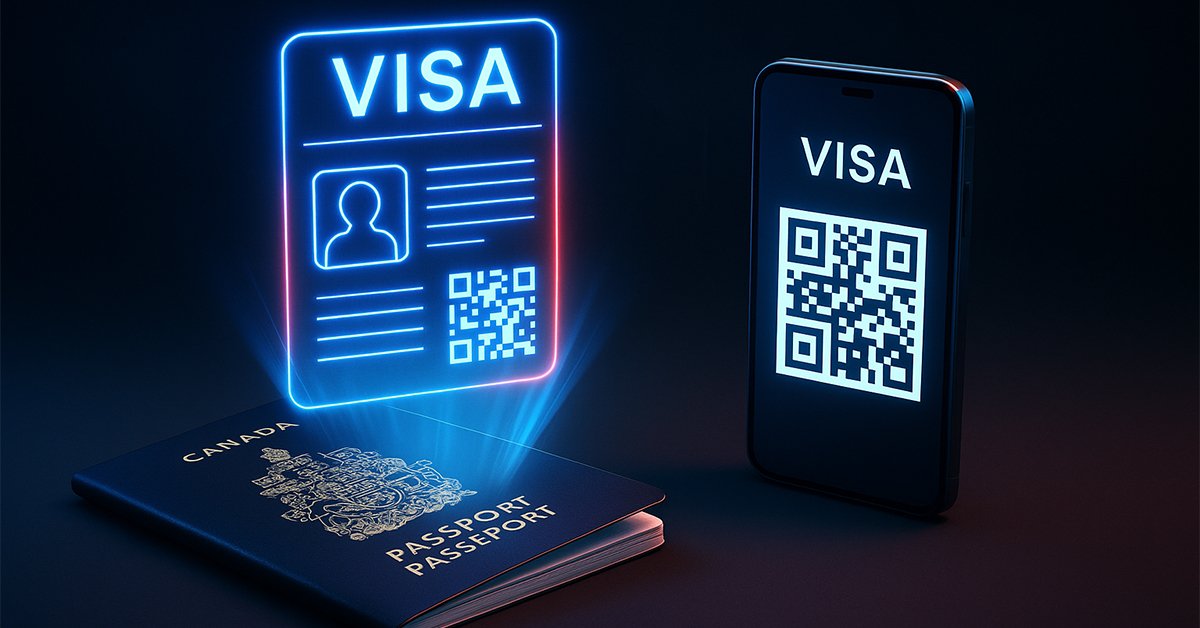
Canada’s digital visa pilot represents the country’s first step toward fully digitized immigration documents. Unlike traditional visa stickers placed in physical passports, digital visas will be stored electronically and accessible through secure digital platforms.
The program is currently in its testing phase, where IRCC will gather feedback from participants to refine the system before wider implementation.
Program Objectives
According to IRCC, the digital visa trial has several core objectives:
Enhanced Security: Digital format reduces risks of visa fraud, counterfeiting, and document tampering that can occur with physical stickers.
Improved Convenience: Eliminates the need to mail passports or visit visa application centers for document stamping, saving time and reducing risks associated with passport transit.
Streamlined Processing: Accelerates visa issuance and verification processes at Canadian borders and airports.
Better Integration: Tests compatibility with third-party systems including airline check-in platforms and border control technologies.
User-Centered Design: Gathers real-world feedback to create accessible, user-friendly digital visa interfaces for future rollout.
Why Morocco Was Chosen as the Pilot Country
Strategic Selection
Canada has strategically selected Morocco as the inaugural testing ground for its digital visa program. Moroccan citizens who have already been approved for visitor visas will receive both traditional visa stickers and digital versions during the pilot phase.
This dual-format approach allows Canadian authorities to:
- Compare digital and physical visa usage in real-world travel scenarios
- Identify technical challenges and user experience issues
- Assess airline and border agency readiness for digital verification
- Gather comprehensive feedback before expanding to other countries
What Moroccan Participants Can Expect
Selected Moroccan travelers will experience:
- Dual Visa Format: Receipt of both traditional passport sticker and digital visa credentials
- Digital Access: Secure online portal or mobile app access to digital visa information
- Border Testing: Opportunity to use digital verification at Canadian ports of entry
- Feedback Collection: Participation in surveys and interviews to improve the system
“What we learn from this pilot will help shape how we deliver digital immigration documents in the future,” IRCC officials stated.
How Digital Visas Will Work
Technical Framework
While full technical details are still emerging, the digital visa system is expected to include:
Secure Digital Storage: Visa information stored in encrypted government databases accessible through verified identity credentials.
Mobile Integration: Potential smartphone app or secure web portal for travelers to access their digital visas.
QR Code Technology: Likely use of scannable codes for quick verification at airports and border crossings.
Biometric Linkage: Connection to biometric data (fingerprints, facial recognition) for enhanced security verification.
International Standards Compliance: Adherence to global digital travel credential standards set by the International Civil Aviation Organization (ICAO).
Privacy and Security Measures
IRCC emphasizes that the digital visa pilot “follows all Government of Canada privacy and security rules.” The system incorporates:
- End-to-end encryption for data transmission
- Multi-factor authentication for access
- Compliance with Canadian Privacy Act requirements
- Regular security audits and vulnerability assessments
- Secure data storage within Canadian jurisdiction
The goal is to ensure digital visas are “internationally compatible” while maintaining the highest security standards.
Electronic Travel Authorization (eTA) vs. Digital Visas
Understanding the Difference
It’s important to distinguish between Canada’s existing Electronic Travel Authorization (eTA) and the new digital visa pilot:
Electronic Travel Authorization (eTA):
- Already in use since 2016
- Required for visa-exempt foreign nationals arriving by air
- Electronically linked to passport
- Valid for up to five years
- Costs CAD $7
- Application process takes minutes to days
Digital Visa:
- New pilot program just launching
- For travelers who require visitor visas (not visa-exempt)
- Digital alternative to physical visa sticker
- Same validity period as traditional visitor visa
- Part of broader digitization initiative
- Currently in testing phase
Who Is Eligible for Canada’s eTA?
Special Provisions for Moroccan Citizens
IRCC has clarified that some Moroccan citizens, along with nationals from 14 other countries, may qualify for an eTA instead of a full visitor visa if they meet specific criteria:
Three Required Conditions:
- Previous Canadian Visa or Valid U.S. Visa:
- Must have held a Canadian visitor visa within the last 10 years, OR
- Currently possess a valid U.S. non-immigrant visa
- Temporary Stay Purpose:
- Traveling for tourism, business, or family visits
- Intended stay generally up to six months
- Not seeking permanent residence or employment
- Air Travel with Valid Passport:
- Must arrive in Canada by air (not land or sea)
- Passport must be from one of the eligible visa-required countries
- Passport must be valid for the duration of stay
Important Note: If any of these conditions are not met, a traditional visitor visa is still required.
Countries Eligible for eTA with Conditions
While Morocco is highlighted in the digital visa pilot, other countries with similar conditional eTA eligibility include nations where citizens typically require visas but may qualify for eTA under specific circumstances.
Recent Changes: Qatar Visa Exemption
New Visa-Free Access
In a separate but related development, Canada recently lifted visa requirements for Qatari nationals. This change allows Qatari passport holders to enter Canada without obtaining a visa in advance, instead using the simpler eTA system for air travel.
This move reflects Canada’s ongoing efforts to modernize and streamline its immigration policies while maintaining security standards.
Timeline and Future Expansion
Current Status (2025)
- Phase 1 (Now): Limited pilot with Moroccan visa holders
- Testing Period: Several months of data collection and feedback analysis
- Dual Format: Both physical and digital visas issued simultaneously
Expected Future Phases
Phase 2 – Expanded Testing:
- Likely expansion to additional pilot countries
- Increased number of participants
- Refinement based on initial feedback
Phase 3 – Broader Rollout:
- Gradual expansion to more visa-required countries
- Potential phasing out of physical visa stickers
- Full integration with airline and border systems
Phase 4 – Complete Digitization:
- All visitor visas issued digitally
- Physical stickers eliminated
- Full international compatibility achieved
Global Trend Toward Digital Travel Documents
Canada joins other nations moving toward digital immigration documents:
Australia: Implemented digital visas and eliminated visa stickers in 2015, becoming one of the first countries to go fully digital.
United Kingdom: Testing digital immigration status and moving away from physical Biometric Residence Permits.
European Union: Developing the Entry/Exit System (EES) and European Travel Information and Authorization System (ETIAS) for digital border management.
Singapore: Offers digital immigration cards and automated clearance systems.
Benefits of Digital Visas
For Travelers
Convenience: No need to mail passport or visit application centers for visa stamping.
Security: Reduced risk of losing passport during visa application process.
Speed: Faster visa issuance without physical document production and shipping.
Accessibility: Easy access to visa status and information through digital platforms.
Flexibility: Ability to travel without worrying about damaged or altered visa stickers.
For Canadian Immigration Services
Efficiency: Streamlined processing reduces administrative burden and costs.
Enhanced Security: Digital systems better detect fraud and track visa usage.
Data Analytics: Improved ability to analyze immigration patterns and trends.
Environmental Impact: Reduction in physical materials and shipping.
Scalability: Easier to handle increasing visa application volumes.
For Airlines and Border Agencies
Faster Verification: Instant digital checks replace manual visa inspection.
Reduced Errors: Automated systems minimize human verification mistakes.
Better Integration: Seamless connection with existing digital border systems.
Real-Time Updates: Immediate access to visa status changes or cancellations.
How to Prepare for Digital Visas
For Moroccan Travelers in the Pilot
If you’re a Moroccan citizen with a Canadian visitor visa:
- Check Your Eligibility: Ensure you’ve been selected for the pilot program (IRCC will notify participants directly)
- Update Contact Information: Provide current email and phone number to IRCC
- Secure Digital Access: Ensure you have a smartphone or device capable of accessing digital documents
- Download Required Apps: Install any official Canadian immigration apps when instructed
- Keep Physical Backup: Continue to carry your passport with traditional visa sticker during the pilot phase
General Tips for All Travelers
Stay Informed: Regularly check the official IRCC website for updates on digital visa expansion.
Maintain Email Access: Ensure you can receive and access digital documents sent by immigration authorities.
- → 7 Essential Business Strategies Transforming Success in 2024
- → AI and Machine Learning in 2026: Transforming Business Through Intelligent Innovation
- → Canada Immigration Backlog Update 2026: What the Latest IRCC Data Really Means
- → Mass Flight Disruptions Across Asia: 2,186 Delays and 134 Cancellations Hit Major Airports in India, Japan, Thailand, Malaysia, UAE, Singapore, and Qatar
- → $800 CRA Payment in March 2026: Which Canadian Families Qualify and When to Expect Their Direct Deposit
- → $533 GST/HST Credit for March 2026: Payment Dates, Eligibility, and Everything Canadians Need to Know
- → Canada Medical Expense Tax Claims 2026: Everything You Need to Know Before Filing
Understand Requirements: Know whether you need a visitor visa, eTA, or are visa-exempt.
Apply Early: Give yourself plenty of time before planned travel, especially during pilot testing phases.
Verify Information: Always use official Canadian government sources for immigration information.
Frequently Asked Questions
Will digital visas completely replace physical visas?
During the pilot phase, participants receive both formats. Long-term plans suggest eventual transition to digital-only, but physical backups may remain for some time.
Do I need special technology to use a digital visa?
Basic smartphone or computer access with internet connectivity should be sufficient. Specific requirements will be communicated to pilot participants.
Is my personal information safe with digital visas?
Yes. IRCC follows strict Canadian privacy and security regulations with encryption and secure data storage protocols.
Can I still apply for a regular visitor visa if I’m not in the pilot?
Absolutely. Standard visitor visa applications continue as normal for all eligible applicants.
When will digital visas be available to other countries?
No official timeline has been announced, but expansion is expected following successful pilot completion, likely within 1-2 years.
Conclusion
Canada’s digital visa pilot program represents a significant step forward in immigration modernization. By starting with Morocco as the test country, Canadian authorities are taking a measured, strategic approach to ensure the digital system is secure, efficient, and user-friendly before broader implementation.
For travelers, this initiative promises greater convenience and security in the visa application and travel process. For Canada, it offers enhanced border control capabilities and improved service delivery.
As the pilot progresses throughout 2025, the lessons learned will shape the future of Canadian immigration documentation and potentially influence global standards for digital travel credentials.
Stay tuned to official IRCC channels for updates on program expansion and eligibility for your country.
Official Resources
- IRCC Website: canada.ca/en/immigration-refugees-citizenship
- eTA Application: canada.ca/eta
- Visitor Visa Information: canada.ca/en/immigration-refugees-citizenship/services/visit-canada
- Check Application Status: canada.ca/en/immigration-refugees-citizenship/services/application/check-status
