

Australia’s Immi App Goes Global: The Future of Digital Visas is Here
Australia just made visa applications easier for millions worldwide. As of November 2025, the Australian Immi App now accepts biometric submissions from 34 countries—and a complete global expansion is coming in early 2026.
This isn’t just another government app. It’s a fundamental shift in how one of the world’s most popular immigration destinations processes visas. If you’re planning to study, work, or visit Australia, here’s everything you need to know about this digital transformation.
What is the Australian Immi App?
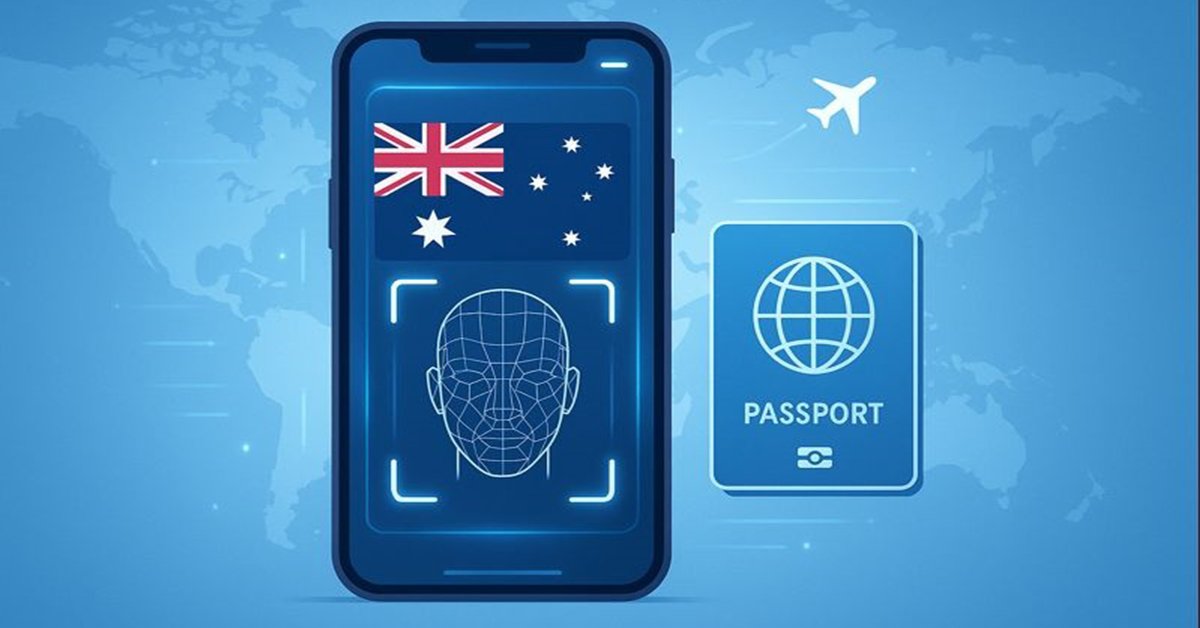
The Immi App is Australia’s official smartphone application that lets eligible visa applicants submit biometric data remotely—no visa centre appointments required.
What you can submit through the app:
- Facial biometrics (selfie verification)
- Passport information (scanned automatically)
- Identity verification documents
Think of it as bringing the visa office to your phone. Instead of traveling to a biometric collection centre, you complete the entire process from home.
Who Can Use the Immi App Right Now?
Currently, the app is available to applicants from 34 countries who meet these requirements:
✅ Previously submitted biometrics for an Australian visa
✅ Hold a valid passport
✅ Have a smartphone with a camera
✅ Apply for an eligible visa type
The catch? You must have given biometrics before. This limitation will likely disappear when the full rollout happens in 2026.
Why Australia is Going Digital: 4 Key Reasons
1. Cost Savings
Traditional biometric centres cost millions annually. Digital submission slashes these expenses dramatically.
2. Speed
Early data from similar programs worldwide shows 40-60% faster processing times. Digital systems eliminate appointment backlogs and manual data entry.
3. Accessibility
Applicants in remote areas or countries with few visa centres gain equal access. No more expensive trips to distant cities.
4. Security
Modern facial recognition technology combined with encryption creates stronger identity verification than traditional methods—when implemented correctly.
How the Immi App Actually Works
The technology behind the app mirrors in-person biometric collection:
Step 1: Facial Capture
Your phone’s camera captures your face using strict guidelines—neutral expression, proper lighting, correct angle. Built-in liveness detection prevents photo spoofing.
Step 2: Passport Scan
The app reads your passport’s machine-readable zone automatically, extracting all relevant data instantly.
Step 3: Verification
Your biometrics are cross-checked against Home Affairs databases to confirm identity and flag potential fraud.
Step 4: Secure Transmission
Encrypted data travels directly to Australian immigration systems, meeting strict privacy standards.
What This Means for Different Visa Applicants
For Students
With over 800,000 student visa applications annually, faster processing means quicker enrollment confirmations and less stress during admission seasons.
For Workers
Skilled migrants can complete biometrics without disrupting work schedules or paying for travel to distant visa centres.
For Tourists
Simpler processing encourages tourism—Australia receives 2-3 million tourist visa applications yearly.
For Families
Faster reunification processes mean less time waiting and lower application costs overall.
Real Benefits: What the Numbers Show
While Australia hasn’t released complete Immi App statistics yet, similar digital immigration programs globally reveal:
- 40-60% faster processing due to automated verification
- 30-50% cost reduction for applicants (no travel, no appointment fees)
- Higher accuracy rates compared to manual data entry
- Improved accessibility for people with disabilities or mobility challenges
The Concerns You Should Know About
No system is perfect. Digital immigration raises several legitimate questions:
Privacy and Security
Biometric data is permanent. A data breach has lifelong consequences. Australia must maintain robust cybersecurity and transparent oversight.
Digital Divide
What about applicants without smartphones or reliable internet? The system risks excluding vulnerable populations.
Technology Dependence
App crashes, server outages, or device compatibility issues could delay urgent applications.
Fraud Evolution
As systems go digital, fraud attempts become more sophisticated—think deepfakes and synthetic identities. Australia needs advanced countermeasures.
Limited Current Eligibility
Only previous biometric submitters qualify now, which limits the immediate impact.
How Australia Compares Globally
Australia isn’t alone in digitizing immigration:
United Kingdom: Transitioning to full eVisas, eliminating physical biometric residence permits
Canada: Testing digital tools but still requires in-person biometrics widely
New Zealand: Advancing digital processing without widespread mobile biometrics
Singapore: Leading in digital government services with secure biometric integration
Australia’s smartphone-first approach and ambitious national rollout timeline place it among the global frontrunners in immigration technology.
What Happens in 2026?
The planned early-2026 expansion will:
- Open the Immi App to all remaining countries
- Potentially add new security features
- Possibly integrate with broader eVisa systems
- Align with international digital identity standards
This positions Australia as a test case for smartphone-based immigration systems worldwide.
Expert Perspectives
Government Position: The expansion represents essential modernization, improving efficiency while maintaining security.
Academic Views: Researchers from institutions like ANU’s Crawford School of Public Policy express cautious optimism—digitization increases access but requires strong privacy protections.
Human Rights Organizations: Groups stress the importance of transparency, equitable access, and protection against algorithmic bias.
Applicants and Migration Agents: Generally supportive, citing reduced barriers and frustrations.
Is This the Future of Immigration?
Short answer: Yes, but with conditions.
Digital immigration systems offer clear advantages:
- Faster decisions
- Lower costs
- Greater accessibility
- Improved efficiency
Success requires:
- Uncompromising privacy protections
- Infrastructure investment
- Support for digitally excluded populations
- Transparent oversight and accountability
What You Should Do Now
If you’re planning to apply for an Australian visa:
- Check if your country is among the 34 eligible nations
- Verify you meet eligibility requirements (previous biometrics)
- Download the Immi App from official sources only
- Prepare a valid passport and smartphone
- Stay updated on the 2026 global expansion
If you’re not eligible yet: Wait for early 2026 when restrictions likely ease.
The Bottom Line
Australia’s Immi App expansion is more than a convenience upgrade—it’s a blueprint for how developed nations will handle immigration in an increasingly digital world.
The system promises faster processing, lower costs, and better accessibility. But it also demands vigilance around privacy, security, and equity.
As borders become more digital, Australia is betting that smartphones can replace visa centres without sacrificing security or fairness. The next two years will reveal whether this gamble pays off—and whether other countries follow Australia’s lead.
For millions of prospective applicants, one thing is certain: applying for an Australian visa just got significantly easier.
- → AI and Machine Learning in 2026: Transforming Business Through Intelligent Innovation
- → Canada Immigration Backlog Update 2026: What the Latest IRCC Data Really Means
- → Mass Flight Disruptions Across Asia: 2,186 Delays and 134 Cancellations Hit Major Airports in India, Japan, Thailand, Malaysia, UAE, Singapore, and Qatar
- → $800 CRA Payment in March 2026: Which Canadian Families Qualify and When to Expect Their Direct Deposit
- → $533 GST/HST Credit for March 2026: Payment Dates, Eligibility, and Everything Canadians Need to Know
- → Canada Medical Expense Tax Claims 2026: Everything You Need to Know Before Filing
- → Canada Pension Plan (CPP) and Old Age Security (OAS): 2026 Payment Updates Every Canadian Retiree Should Know
Frequently Asked Questions
Q: Can I use the Immi App if I’ve never applied for an Australian visa before?
Not currently. You must have previously submitted biometrics. This restriction may change in the 2026 expansion.
Q: Is the Immi App safe?
Australia uses encryption and strict privacy standards, but applicants should download only from official government sources and stay alert to potential security issues.
Q: What if I don’t have a smartphone?
Traditional biometric centre appointments remain available for those unable to use the digital system.
Q: Will this make visas cheaper?
While government application fees remain the same, you’ll save on travel costs, appointment fees, and time off work.
Q: When will my country be included?
If not among the current 34 countries, expect inclusion in the early-2026 global rollout.
