

What You Need to Know About the Latest Immigration Changes
The U.S. Citizenship and Immigration Services (USCIS) has implemented significant changes affecting green card holders and non-U.S. citizens traveling to and from the United States. These enhanced security protocols, which took effect in late 2024 and continue through 2026, introduce mandatory biometric screening measures that impact millions of travelers.
Why Are These Changes Happening?
The policy shift follows security concerns raised after a tragic incident in Washington D.C., where two National Guard members were targeted in a shooting. According to reports, one service member was killed and another injured in the attack, allegedly carried out by an Afghan national.
In response, USCIS issued a comprehensive memo stating: “In light of identified concerns and the threat to the American people, USCIS has determined that a comprehensive re-review, potential interview, and re-interview of all aliens from high-risk countries of concern who entered the United States on or after January 20, 2021 is necessary.”
The agency also noted they may extend these reviews beyond the specified timeframe when deemed appropriate. As we move into 2026, these protocols remain firmly in place with no indication of policy reversal.
Two Major Changes for Green Card Holders
1. Mandatory Biometric Scans at All Entry and Exit Points
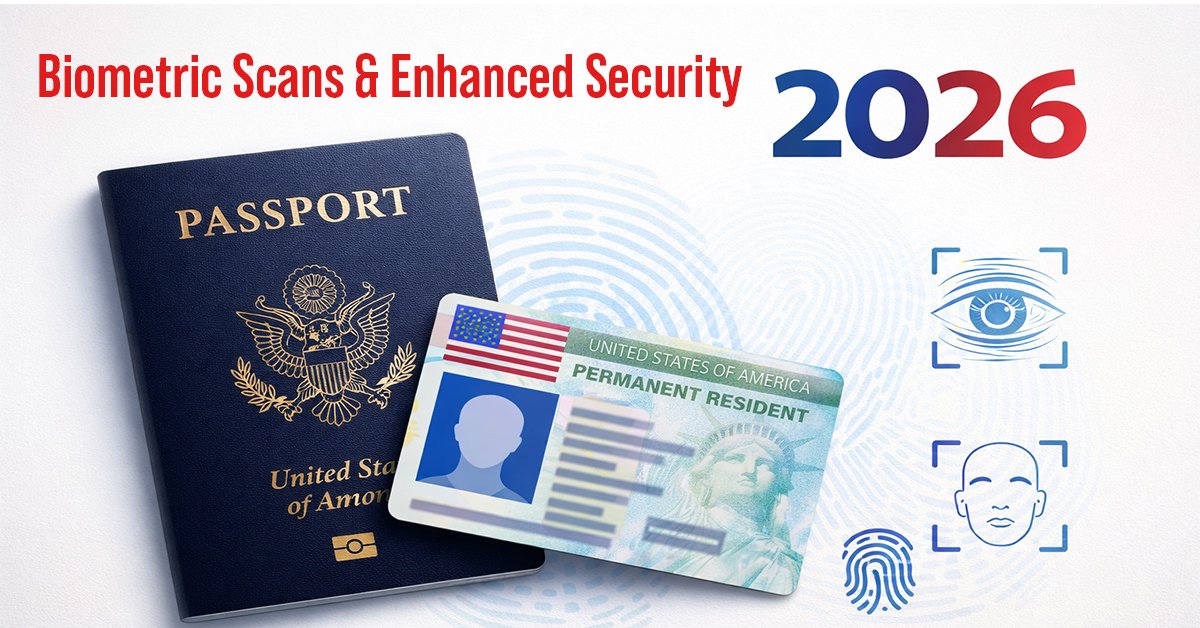
One of the most significant changes involves universal biometric screening for non-U.S. citizens, including lawful permanent residents (green card holders).
What to Expect:
- → Slovakia Government Scholarship 2027 for International Students: Master’s and PhD Guide
- → Need a Passport Fast? How to Expedite Your U.S. Passport Renewal Step-by-Step
- → Want a $60K+ Salary Without a 4-Year Degree? 15 Certificates You Can Finish in Under a Year
- → Planning a Trip to Europe? 6 Essential Entry Rules to Avoid Denial at the Border
- → Heading to Border Control? Key Immigration Questions You Must Be Ready to Answer
- → Planning a European Trip? What Starkville’s Indian Community Should Know About Schengen Visas
- → 11 Countries Offering Funded Ph.D. Programs for International Students
- Facial photographs will be taken at airports, border crossings, and seaports
- Fingerprint collection may be required
- Iris scans (eye scanning technology) could be conducted to verify identity
- These procedures apply to both entry into and departure from the United States
Who Must Comply: Previously, certain groups were exempt from biometric requirements. That’s no longer the case. The current 2026 rules apply to:
- All green card holders regardless of age
- Children under 14 years old (previously exempt)
- Adults over 79 years old (previously exempt)
- All other non-U.S. citizens entering or leaving the country
U.S. Customs and Border Protection (CBP) will use these biometric markers to match travelers with their existing travel documents and verify identities in real-time.
2. Enhanced Green Card Reviews for High-Risk Countries
USCIS has designated 19 countries as requiring additional scrutiny. Immigrants from these nations may experience:
- Extended processing times for green card applications
- Potential delays or holds on work permits
- Slower processing of travel documents
- Possible delays in visa extensions
- Additional interviews or re-interviews
The 19 Countries Subject to Enhanced Review:
- Afghanistan
- Burma (Myanmar)
- Burundi
- Chad
- Cuba
- Republic of the Congo
- Equatorial Guinea
- Eritrea
- Haiti
- Iran
- Laos
- Libya
- Sierra Leone
- Somalia
- Sudan
- Togo
- Turkmenistan
- Venezuela
- Yemen
What This Means for Your Travel Plans in 2026
If you’re a green card holder or non-U.S. citizen planning to travel internationally in 2026, here’s what you should know:
Allow Extra Time: Biometric screening adds time to the entry and exit process. With these protocols now standard practice, plan to arrive at airports at least 3 hours before international flights, especially during peak travel periods.
Prepare Documentation: Ensure all your immigration documents are current and readily accessible. CBP officers may request additional verification, and expired documents can cause significant delays.
Expect Interviews: If you’re from one of the 19 designated countries, be prepared for potential interviews with USCIS officials, even if your status was previously approved. This requirement remains active throughout 2026.
Track Your Applications: Those with pending applications for work permits, travel documents, or visa extensions should monitor their status closely and follow up if delays occur. Processing times for applicants from designated countries can extend several months beyond normal timeframes.
Understanding the Broader Context
These policy changes represent part of a larger effort to strengthen national security protocols while managing immigration processes. As we progress through 2026, the focus on enhanced vetting and biometric technology reflects a growing trend in border security worldwide.
For green card holders, maintaining compliance with these requirements is essential to preserving legal status and avoiding complications with future travel or immigration benefits.
Frequently Asked Questions
Q: Will these scans affect my privacy? Biometric data is protected under federal privacy laws. CBP stores this information in secure databases used solely for identity verification and security purposes.
Q: What if I refuse biometric screening? Refusal to comply with biometric requirements may result in denied entry or departure, depending on your citizenship status and circumstances.
Q: How long do these procedures take in 2026? Most biometric scans take only a few minutes per person, though overall processing time may vary based on airport congestion and individual circumstances. During peak travel seasons, expect longer wait times.
Q: Are U.S. citizens affected? These requirements specifically apply to non-U.S. citizens and green card holders. U.S. citizens are not subject to the same biometric screening protocols.
Q: Will these policies change in 2026? As of now, there are no announced plans to modify or rescind these security measures. Green card holders should expect these requirements to remain in effect throughout 2026 and potentially beyond.
What Should You Do Next?
- Review your documents: Ensure your green card and travel documents are valid throughout 2026 and won’t expire during planned travels
- Check your country status: If you’re from one of the 19 designated countries, prepare for potential additional processing
- Plan ahead: Build extra time into your travel schedule for biometric screening, especially during holiday seasons
- Stay informed: Monitor USCIS and CBP websites for any updates to these policies throughout 2026
- Consult an attorney: If you have concerns about your immigration status or upcoming renewals, consider speaking with an immigration lawyer early in the year
Looking Ahead: Immigration in 2026
As immigration policies continue to evolve, staying informed and compliant is more important than ever. The biometric screening requirements implemented in 2024 have become standard procedure, and green card holders should treat these as permanent features of international travel for the foreseeable future.
Whether you’re traveling for business, visiting family abroad, or simply planning a vacation, understanding these requirements will help ensure smooth passage through U.S. ports of entry in 2026.
