

The world of remote work has fundamentally changed how Americans think about where they live. With over 40% of professionals now working in location-independent roles, digital nomad visas have become the gateway to combining travel with career growth. But which countries actually make it easy for Americans to relocate?
I’ve analyzed the latest visa requirements, processing times, and real-world experiences to bring you this comprehensive guide to the most accessible digital nomad visas available in 2026. Whether you’re seeking European culture, Caribbean beaches, or Latin American affordability, there’s an option that fits your lifestyle and budget.
What Makes a Digital Nomad Visa “Easy” for Americans?
Before diving into specific countries, let’s establish what makes a visa truly accessible. An easy digital nomad visa typically features:
- Reasonable income requirements (under $4,000 monthly)
- Fast processing times (30-60 days)
- Straightforward documentation (no complex bureaucracy)
- English-language support (applications and daily life)
- Favorable tax treatment (no local income tax on foreign earnings)
- Time zone compatibility (important for US-based clients)
With these criteria in mind, here are the ten best options for American remote workers in 2026.
1. Spain: Top-Ranked European Destination

Spain claims the #1 spot in the 2025 Global Digital Nomad Report, and for good reason. The country combines Mediterranean lifestyle with practical visa benefits that few competitors can match.
Key Requirements
- Monthly income: €2,760 ($2,900)
- Annual minimum: €33,156
- Initial visa duration: 1 year (3 years if applying in-country)
- Processing time: 30-60 days
What Makes Spain Stand Out
Unlike most digital nomad programs, Spain allows up to 20% of your income to come from Spanish clients. This flexibility opens doors for local freelance opportunities while maintaining your nomad status. As of April 2025, the Spanish government has also begun approving W2 employees, marking a significant policy shift that benefits Americans with traditional employment arrangements.
Valencia and Seville offer particularly strong value propositions—you’ll find robust coworking infrastructure, thriving expat communities, and living costs 30-40% lower than Barcelona or Madrid. A comfortable one-bedroom apartment in Valencia’s historic center runs €700-900 monthly, while Barcelona demands €1,200-1,500 for comparable space.
The application process is conducted through Spanish consulates, requiring proof of employment, health insurance, and background checks. Spain’s position within the Schengen Zone grants you travel access to 26 European countries during your stay.
2. Portugal: The European Classic

Portugal ranks 6th globally for digital nomads and remains one of the most established destinations for remote workers. The D8 visa requires careful financial planning but delivers exceptional quality of life in return.
Essential Details
- Monthly income requirement: €3,480 ($3,650)
- Duration: 1 year initially, renewable for 5 years
- Processing time: 30-60 days
- Tax residency threshold: 183+ days annually
Why Portugal Attracts Remote Workers
Portugal excels in areas that matter for daily life—low crime rates, excellent public transportation, and a healthcare system ranked among Europe’s best. English proficiency in Lisbon and Porto surpasses most Southern European cities, eliminating language barriers in professional settings.
Madeira has emerged as a digital nomad haven, offering year-round mild weather, dedicated coworking spaces, and an established remote worker community. The island provides tax incentives for new residents while maintaining convenient flight connections to mainland Europe.
The Portuguese tax system is complex, with rates from 14-48% depending on income levels. However, various exemptions exist for specific professional categories. Many nomads work with local tax advisors to optimize their situation legally.
3. Croatia: Extended Stay with Tax Benefits
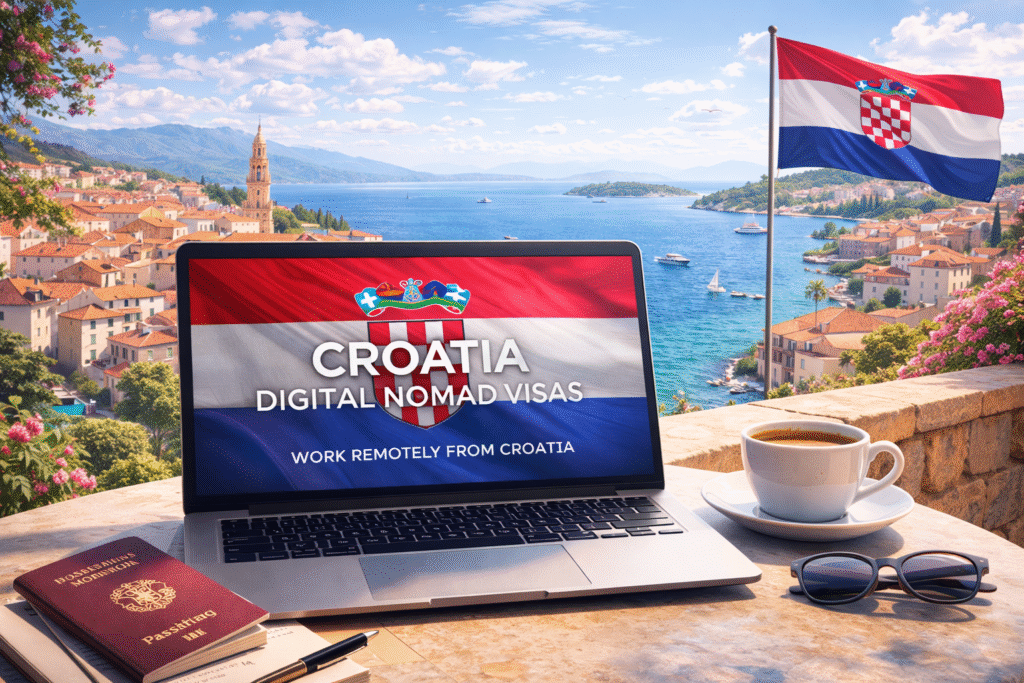
Croatia made headlines in August 2025 by extending its digital nomad visa from 18 months to three years—the longest duration of any European program. This extension, combined with tax exemptions, creates one of Europe’s most attractive packages.
Program Specifications
- Monthly income: €3,295 ($3,855)
- Duration: 3 years
- Visa fee: €150-300
- Tax treatment: Foreign income untaxed
The Croatian Advantage
The tax exemption for foreign earnings represents substantial savings compared to destinations where you’ll face 20-40% local tax rates. A remote worker earning $75,000 annually could save $15,000-30,000 over three years compared to tax-resident status in Portugal or Estonia.
Split and Dubrovnik offer stunning Adriatic coastal settings with growing digital infrastructure. The Dalmatian Coast provides affordable living—monthly expenses averaging €1,200-1,500 including rent—while maintaining modern amenities. Internet speeds in major cities now reliably reach 100+ Mbps, though rural areas still lag behind.
Croatia’s Schengen Zone membership (as of 2023) adds significant value, enabling seamless European travel throughout your stay.
4. Costa Rica: Perfect for North American Time Zones
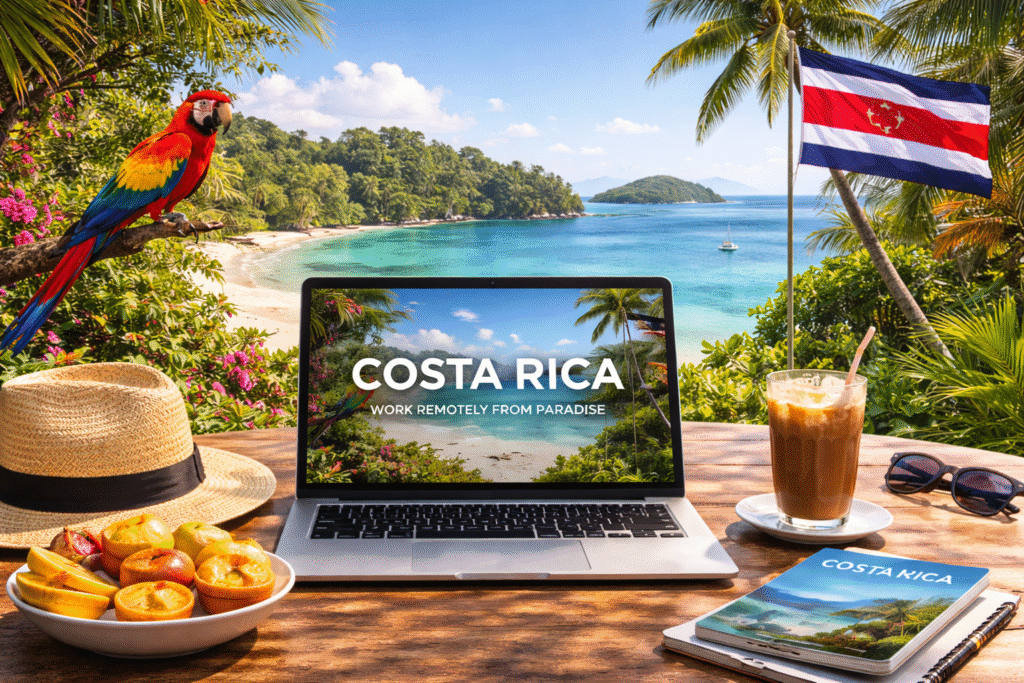
For Americans wanting to test international living without dramatic time zone shifts, Costa Rica delivers. The country launched its digital nomad visa with Americans specifically in mind, offering seamless connectivity to US business hours.
Program Overview
- Monthly income: $3,000 (individual)
- With dependents: $4,000 monthly
- Duration: 1 year, renewable for 1 additional year
- Minimum presence: 80 days during first year
Why Costa Rica Works for Americans
Time zone alignment with US Central Time means no more midnight client calls or early morning meetings. You’ll work normal hours while enjoying tropical surroundings. The application process is entirely online through the immigration portal, eliminating embassy visits and simplifying logistics.
Popular digital nomad hubs include Tamarindo (surfing community), Santa Teresa (wellness-focused), and San José (urban infrastructure). Monthly living costs average $1,700, including rent for a comfortable apartment in expat-friendly areas. This represents 40-60% savings compared to coastal California or Florida cities.
Costa Rica has invested heavily in internet infrastructure, with fiber connections now available in most tourist and expat zones. The country’s “pura vida” lifestyle emphasizes work-life balance—a refreshing change for Americans escaping hustle culture.
5. Mexico: The Convenient Americas Option
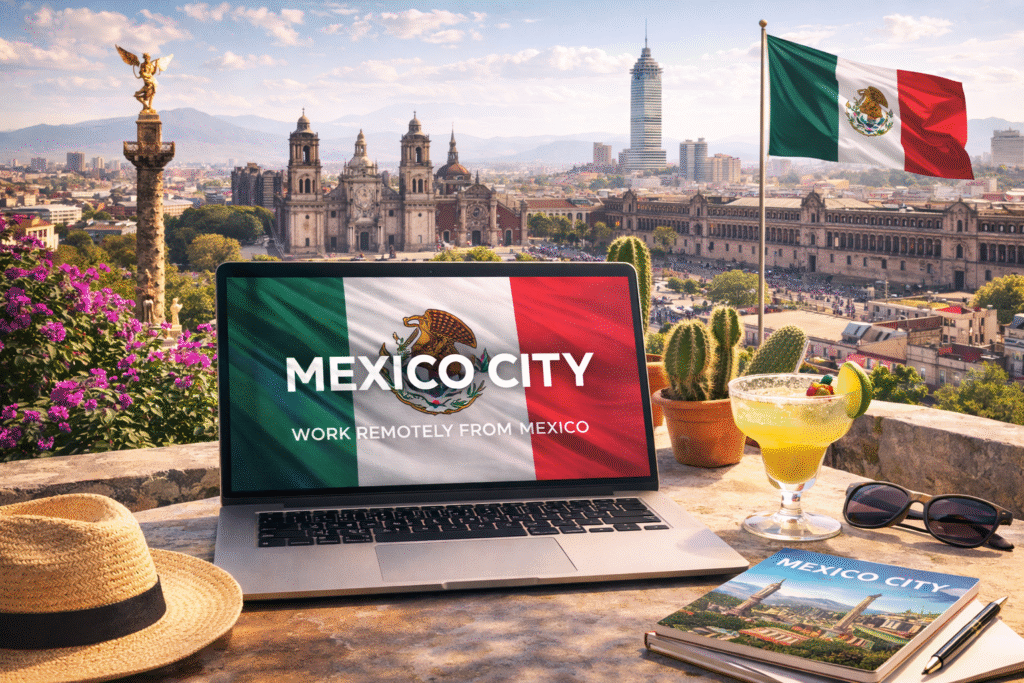
Mexico remains the most practical choice for Americans testing digital nomad life. Geographic proximity, cultural familiarity, and established expat infrastructure make this the easiest transition for first-time international remote workers.
Visa Approach
- Tourist entry: 180 days visa-free
- Formal digital nomad visa: Available but underutilized
- Time zone: CST (same as Chicago)
- Monthly costs: $1,500-2,500 depending on city
The Mexico Advantage
The time zone alignment cannot be overstated—taking 9am meetings at 9am (not 9pm) fundamentally changes your lifestyle. Two-hour flights to major US cities make visiting family or attending important events practical. This accessibility provides psychological comfort that European or Asian destinations can’t match.
Mexico City’s Roma Norte and Condesa neighborhoods have become global digital nomad capitals. You’ll find dozens of coworking spaces, English-speaking communities, and infrastructure built specifically for remote workers. Monthly rent for modern apartments runs $600-1,000, delivering exceptional value for vibrant, walkable neighborhoods.
Many Americans use the 180-day tourist visa repeatedly rather than obtaining formal work visas, though this approach exists in a legal gray area. For proper compliance, the formal digital nomad visa provides legal clarity and longer-term stability.
6. Estonia: The Digital Pioneer
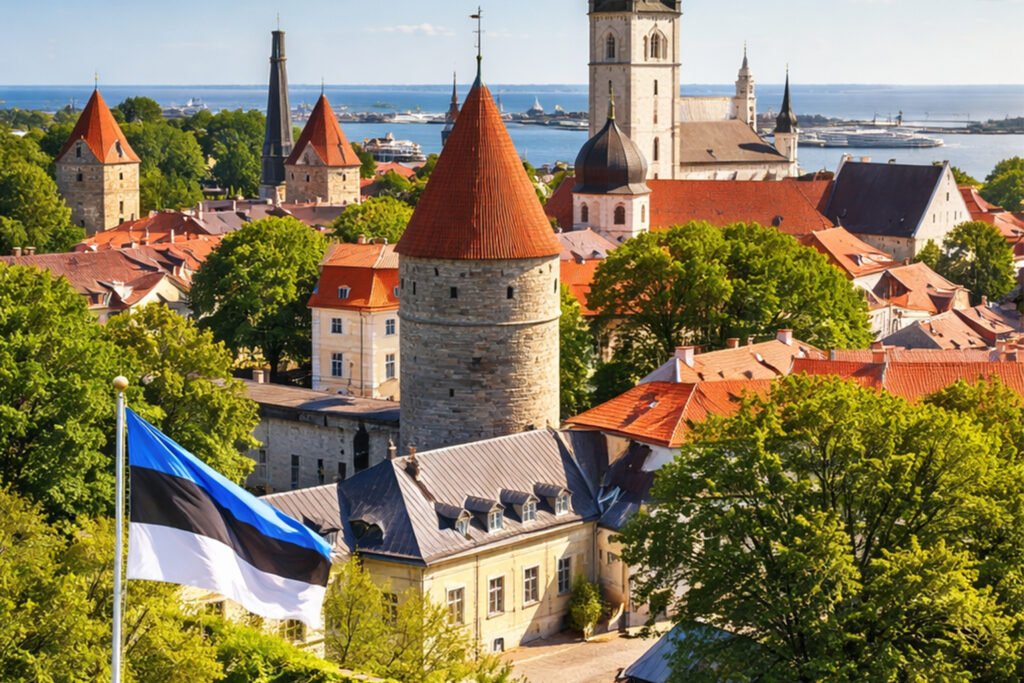
Estonia created the world’s first digital nomad visa in 2020, establishing standards other countries now follow. The Baltic nation’s entirely digital government system makes bureaucracy nearly painless—if you can afford the higher income threshold.
Program Details
- Monthly income: €4,500 ($4,725)
- Duration: 1 year (up to 548 days cumulative in 730 days)
- Processing time: 30 days
- Tax rate: 20% flat rate on worldwide income (if tax resident)
Estonia’s Digital Excellence
Estonia is the world’s most digitized country, with 99% of government services online. Registration, taxes, business formation—everything happens digitally. This eliminates the frustrating bureaucracy common in other European countries.
The e-Residency program (separate from the nomad visa) allows remote EU company registration for €100-200, with 0% corporate tax on undistributed profits. This creates opportunities for entrepreneurs wanting European business presence without physical relocation.
Tallinn has evolved into a legitimate startup hub with strong tech communities. However, Baltic winters are harsh—expect subfreezing temperatures and limited daylight November through March. Estonia works best for those prioritizing digital infrastructure over weather.
7. Greece: Ancient Culture, Modern Connectivity

Greece joined the digital nomad movement more recently but offers compelling advantages for Americans seeking European experience with historical depth. The program balances moderate requirements with unmatched cultural immersion.
Visa Framework
- Income requirements: Mid-range (specific amounts vary by consulate)
- Duration: 1 year renewable
- Processing time: Variable by consulate (30-90 days)
- Cost of living: $1,500-2,500 monthly depending on location
Greek Island Life
Crete and Rhodes have developed remote working infrastructure while preserving authentic Greek character. These islands offer stable internet, coworking spaces, and expat communities without the overcrowding affecting Portugal’s Algarve or Spain’s Costa del Sol.
Athens provides urban infrastructure at Mediterranean prices—monthly living costs run 30-40% below Rome or Barcelona. The historical environment is genuinely unique; few places let you lunch beside 2,000-year-old ruins then return home for afternoon video calls.
English proficiency in tourist areas is sufficient for daily life, though learning basic Greek improves your experience significantly. The Mediterranean diet’s health benefits are well-documented, and the lifestyle pace is noticeably more relaxed than Northern Europe.
8. Italy: Classic European Living
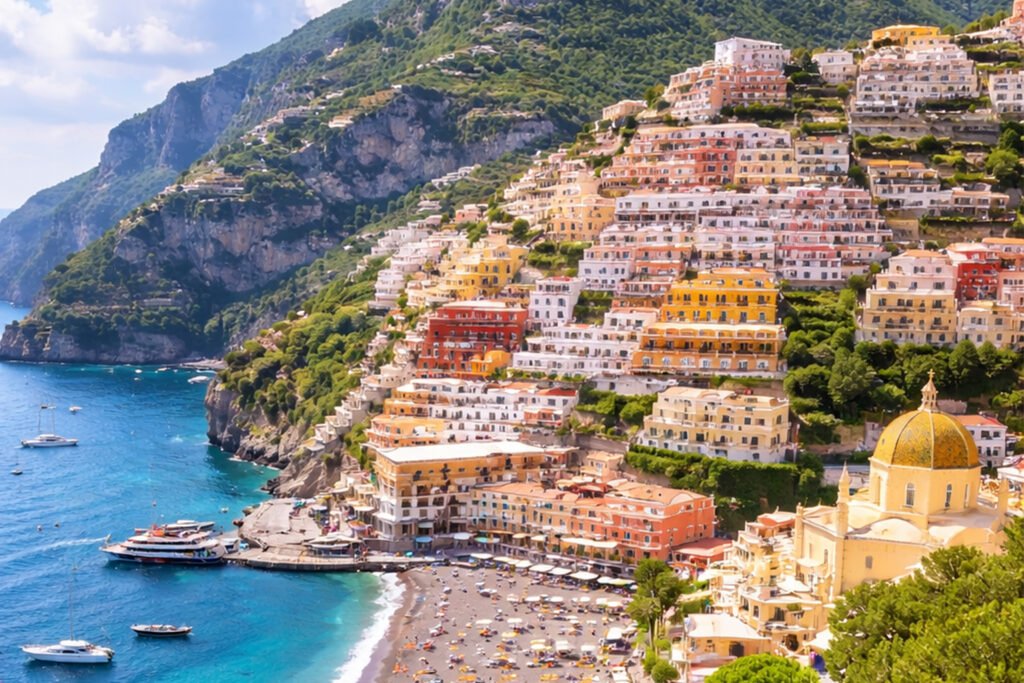
Italy launched its digital nomad visa in April 2024, bringing classic European culture to the remote work movement. The program targets higher earners but delivers the iconic Italian lifestyle in exchange.
Requirements
- Monthly income: $3,700
- Annual minimum: €24,789 (individual)
- With spouse: €34,087 plus €1,150 per child
- Duration: 1 year, renewable
- Tax incentives: Special rates available
The Italian Experience
Italy provides Schengen Area travel freedom plus special tax incentives for new residents. The minimum income requirement is higher than Spain but lower than Estonia, positioning Italy in the middle range for European options.
Rome and Florence command premium prices but deliver unmatched cultural richness. Smaller cities and southern regions offer 40-50% lower costs while maintaining excellent quality of life. Cities like Bologna, Palermo, and Lecce provide authentic Italian living at more accessible price points.
Italy’s reputation for bureaucratic complexity is well-earned—patience with paperwork is essential. However, the payoff is genuine integration into Italian culture, world-class food, and ending workdays with aperitivo in centuries-old piazzas.
9. Malta: English-Speaking Mediterranean Gateway

Malta stands out among European options for its official English language status, eliminating communication barriers that complicate other destinations. The compact island nation delivers streamlined processing and Mediterranean climate.
Program Highlights
- Income requirements: Moderate (mid-range EU)
- Processing time: Approximately 2 months
- Duration: 1 year renewable
- Language: English official
- Cost of living: $1,800-2,500 monthly
Malta’s Unique Position
English as an official language (legacy of British rule) means all government processes, contracts, and daily interactions happen in English. This removes stress points that even English-proficient countries like Portugal or Spain can’t fully eliminate.
Malta’s compact size (122 square miles) means you’re always close to the beach, yet the island maintains proper infrastructure for remote work. Valletta, the capital, offers historic architecture and modern amenities in equal measure.
The strategic location makes Malta an excellent base for exploring Southern Europe and North Africa—Sicily is 90 minutes by ferry, Rome is a quick flight. The digital nomad community has grown steadily, with increasingly common coworking spaces and networking events.
One consideration: Malta’s small size means limited variety. If you need constant environmental change, the island might feel restrictive after several months. However, for many, that compact size creates genuine community impossible in sprawling metropolises.
10. Barbados: Caribbean Paradise with Professional Infrastructure
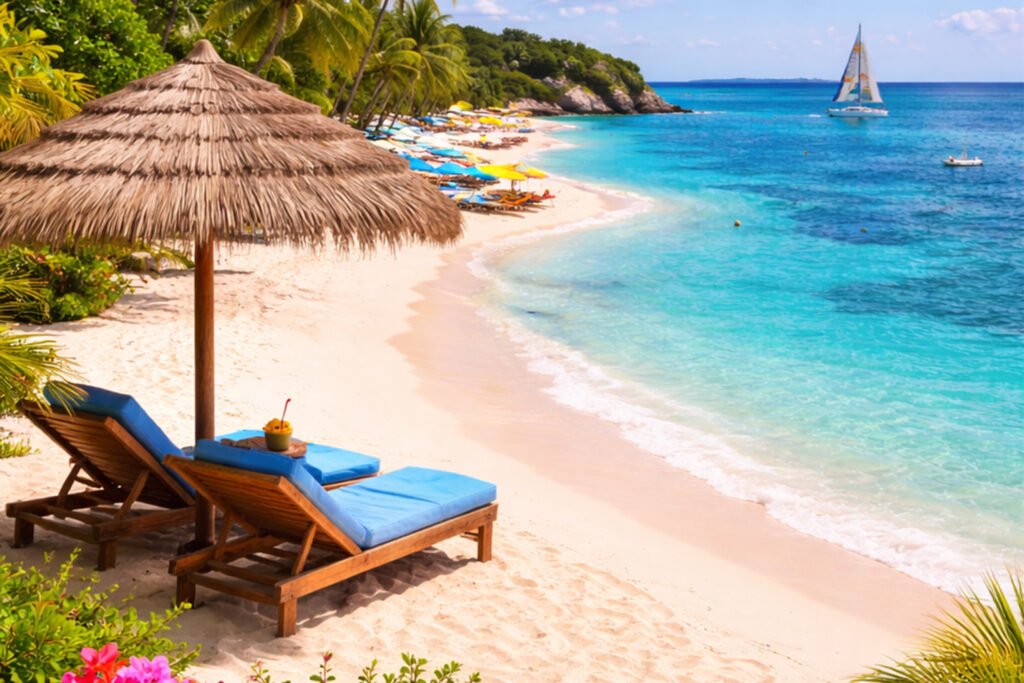
Despite the $2,000 application fee, Barbados delivers exceptional value for nomads seeking Caribbean lifestyle. The Welcome Stamp program was pioneering when launched in 2020, establishing Barbados as forward-thinking in attracting remote workers.
Program Structure
- Annual income: $50,000
- Application fee: $2,000
- Duration: 1 year, renewable
- Language: English (native)
- Time zone: Atlantic Standard Time (one hour ahead of EST)
Caribbean Professional Living
The higher income requirement reflects Barbados’ cost of living, which exceeds budget destinations like Mexico or Croatia. However, you’re paying for pristine Caribbean beaches, year-round sunshine, and seamless English-language living.
Barbados invested significantly in internet infrastructure specifically for remote workers, understanding that connectivity is non-negotiable. The island now offers reliable high-speed internet matching or exceeding major US cities.
The established expat community means you’re joining a well-worn path, not pioneering new territory. The laid-back island culture appeals to remote workers burned out from high-pressure urban environments. Time zone alignment (one hour ahead of US East Coast) makes scheduling with American clients straightforward.
For Americans seeking Caribbean paradise with professional infrastructure, Barbados delivers—at a price that reflects the premium experience.
Making Your Digital Nomad Decision: Key Factors to Consider
Choosing your digital nomad destination involves more than comparing income requirements and processing times. Here are the critical factors successful nomads consider:
- → Need a Passport Fast? How to Expedite Your U.S. Passport Renewal Step-by-Step
- → Want a $60K+ Salary Without a 4-Year Degree? 15 Certificates You Can Finish in Under a Year
- → Planning a Trip to Europe? 6 Essential Entry Rules to Avoid Denial at the Border
- → Heading to Border Control? Key Immigration Questions You Must Be Ready to Answer
- → Planning a European Trip? What Starkville’s Indian Community Should Know About Schengen Visas
- → 11 Countries Offering Funded Ph.D. Programs for International Students
- → U.S. Dollar Reaches Two-Week High Driven by Middle East Tensions and Fed Policy Outlook
Time Zone Alignment
If you’re collaborating with US teams or clients, time zones dramatically impact your lifestyle. Working European hours from Asia means overnight calls—sustainable for weeks, exhausting for months. Mexico, Costa Rica, and Barbados preserve normal working hours for Americans.
Tax Implications
Becoming a tax resident (typically 183+ days annually) creates obligations you need to understand before committing. Countries like Croatia offer tax exemptions on foreign income, while others like Portugal and Estonia tax worldwide earnings. Consult with international tax professionals before making long-term commitments.
Infrastructure Quality
Fast, reliable internet isn’t negotiable for remote work, yet it varies wildly even within countries. Major cities in Portugal, Spain, and Estonia offer fiber connections rivaling US infrastructure. Rural areas or developing regions may struggle with consistency. Test connectivity before signing long-term leases.
Cost of Living Reality
Living costs vary dramatically within countries. Barcelona costs 50% more than Valencia; Athens is 40% cheaper than Mykonos. Research specific cities, not just countries, to understand real budget requirements.
Community and Loneliness
Remote work abroad can be isolating. Established digital nomad hubs in Mexico City, Lisbon, and Chiang Mai (not covered here but worth mentioning) provide instant communities. Smaller destinations require more effort to build social connections.
Healthcare Access
European countries generally offer excellent healthcare systems. Verify health insurance coverage meets visa requirements and provides adequate care for your needs. US health insurance typically doesn’t cover international care—you’ll need international policies or local coverage.
Practical Steps to Apply for Your Digital Nomad Visa
Once you’ve chosen your destination, follow this systematic approach:
Step 1: Document Preparation (4-8 weeks before application)
- Proof of remote employment (employment letter or business registration)
- Income verification (3-6 months of bank statements)
- Health insurance meeting visa requirements
- Valid passport (6+ months remaining)
- Background checks (if required)
Step 2: Financial Planning (2-3 months before application)
- Calculate total costs (visa fees, travel, initial housing deposit)
- Establish proof of funds (most countries require 3-6 months of expenses)
- Set up international banking or money transfer services
Step 3: Application Submission
- Complete applications through official government portals or consulates
- Submit required documentation (digital or physical, depending on country)
- Pay application fees
- Schedule interviews if required
Step 4: Pre-Departure Logistics
- Book temporary accommodation (hostels or short-term rentals for first 2-4 weeks)
- Research coworking spaces in your destination
- Join digital nomad communities online before arrival
- Arrange international health insurance
- Notify US financial institutions of travel plans
Step 5: Post-Arrival Setup
- Register with local authorities (required in most European countries)
- Obtain local SIM card or phone plan
- Scout long-term accommodation
- Visit coworking spaces and attend community events
- Establish local banking if needed for long-term stay
Common Digital Nomad Visa Mistakes to Avoid
Learning from others’ mistakes saves time and money. Here are the most common pitfalls:
Underestimating Processing Times Visa applications often take longer than stated timeframes. Apply 2-3 months before intended departure to account for delays. Don’t book non-refundable flights or accommodation before visa approval.
Ignoring Tax Residence Rules Many nomads unknowingly trigger tax residence by staying 183+ days. Understand tax implications before committing to long stays. The savings from low cost of living can be eliminated by unexpected tax obligations.
Insufficient Income Documentation “Proof of income” means bank statements, not just employment letters. Gather 3-6 months of statements showing consistent deposits meeting income requirements. Freelancers need additional documentation (client contracts, invoices).
Overlooking Health Insurance Requirements Most countries require specific health insurance minimums. Your US policy likely doesn’t satisfy requirements—you’ll need international coverage. Budget $50-200 monthly for compliant insurance.
Choosing Destinations Based Only on Photos Instagram-worthy beaches don’t guarantee good remote work infrastructure. Research internet reliability, coworking availability, and expat community size before committing to lesser-known destinations.
The Future of Digital Nomad Visas
The digital nomad visa landscape continues evolving rapidly. As of 2026, 60-66 countries offer formal programs, up from just a handful in 2020. This growth reflects permanent changes in how we work.
Several trends are emerging:
Increasing Competition Between Countries Nations recognize remote workers bring economic benefits without displacing local jobs. Expect more countries to launch programs and existing programs to become more attractive through lower requirements or longer durations.
Integration with Residency Pathways Some countries now use digital nomad visas as gateways to permanent residence. Portugal and Spain offer paths from digital nomad status to long-term residency, appealing to those considering permanent relocation.
Improved Digital Infrastructure Countries investing in remote worker attraction simultaneously upgrade internet infrastructure, coworking spaces, and administrative processes. This creates virtuous cycles attracting more nomads.
Tax Treaty Developments As digital nomadism becomes mainstream, expect tax treaty updates addressing remote workers. Current gray areas may become clearer, though this could create both opportunities and restrictions.
Final Thoughts: Choosing Your Path
The rise of digital nomad visas represents a fundamental shift in how Americans can structure their lives. You’re no longer bound by geography—work happens wherever reliable internet exists.
The “best” destination depends entirely on your priorities. If you value low costs and Latin American culture, Mexico or Costa Rica excel. For European culture with long-term stability, Portugal or Spain deliver. Tax optimization favors Croatia. Digital infrastructure champions Estonia.
Remember that roughly 35-48% of professionals now work in location-independent positions—you’re joining a substantial movement, not pioneering uncharted territory. Resources, communities, and infrastructure exist to support you.
The most important decision isn’t which country to choose, but rather to take the first step. Many successful digital nomads started with three-month trials in nearby Mexico before committing to longer European stays. Others jumped directly into year-long programs.
Start where you feel comfortable, gather experience, and adjust your approach based on what you learn. The world of remote work is more accessible to Americans in 2026 than ever before. The question isn’t whether digital nomad life is possible—it’s which destination you’ll choose first.
