

Understanding Credit Scores in Canada: What Every Newcomer Should Know
Moving to Canada brings exciting opportunities and new financial responsibilities. Among the most important concepts to master is your credit score—a three-digit number that can significantly impact your financial life in your new home country.
What Is a Credit Score and Why Does It Matter?
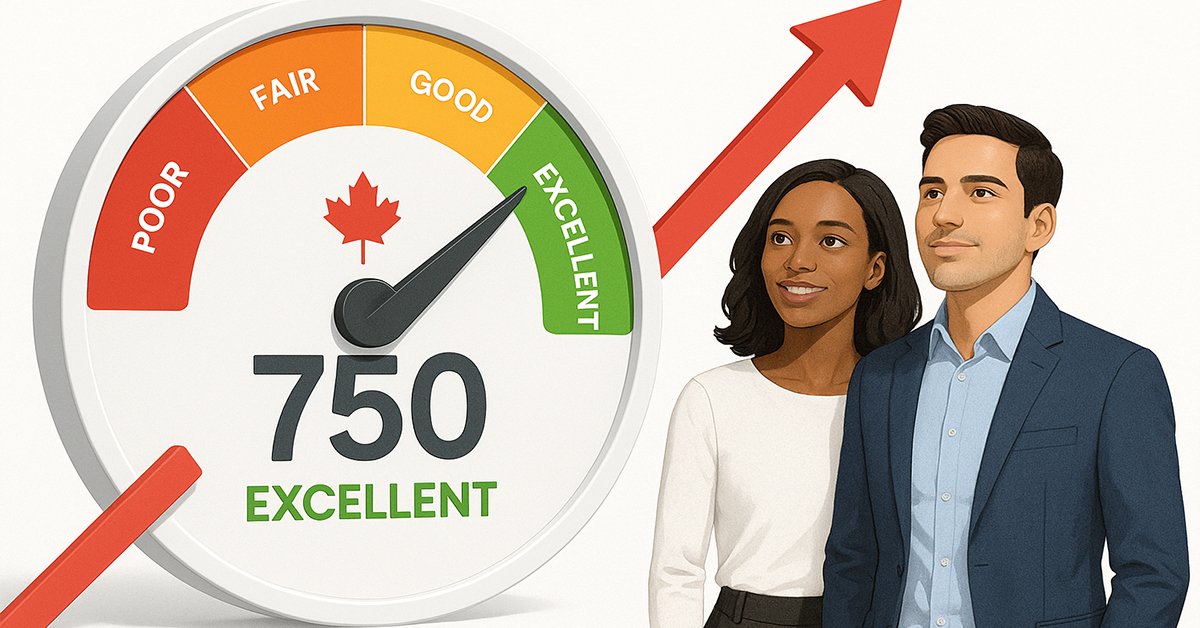
Your credit score is a numerical representation of your creditworthiness, ranging from 300 to 900 in Canada. This score is calculated based on information in your credit report and reflects how responsibly you’ve managed borrowed money and credit accounts.
When Your Credit Score Matters Most
Canadian lenders and service providers review your credit score in several key situations:
- Credit card applications: Banks assess your creditworthiness before issuing cards
- Mortgage applications: Lenders evaluate your ability to handle large loans
- Rental applications: Landlords verify financial reliability
- Auto financing: Dealerships check scores for vehicle loans
- Employment screening: Some employers review credit as part of background checks
How Credit Scores Are Calculated in Canada
While the exact algorithms remain proprietary, credit bureaus use several key factors to determine your score. Understanding these elements helps you make informed financial decisions.
Primary Factors Affecting Your Score
Payment History (35% of your score)
Your track record of paying bills on time carries the most weight. Even one missed payment can negatively impact your score for years.
Credit Utilization (30% of your score)
This measures how much of your available credit you’re using. Keeping balances below 30% of your credit limit is generally recommended.
Length of Credit History (15% of your score)
The age of your oldest account and the average age of all accounts demonstrate your experience with credit.
Credit Mix (10% of your score)
Having different types of credit—credit cards, installment loans, and lines of credit—shows you can manage various financial products.
- → New Canada Benefit Payments Arriving This Week in May 2026
- → Canada Bread Settlement Payments Begin Rolling Out Across Canada in 2026
- → Canada Immigration Backlog Update 2026: IRCC Application Inventory Crosses 2.15 Million
- → Canada Expands Visa-Free Travel Access for Citizens of Indonesia and Malaysia in 2026
- → Canada’s 365-Day Maintained Status Work Rule in 2026: What Foreign Workers Need to Know
- → Canada Launches Early Retirement Incentive Program in 2026: Eligibility, Benefits, and Application Process Explained
- → Bringing Your Family to New Zealand on a Work Visa: Complete 2026 Guide
New Credit Inquiries (10% of your score)
Multiple credit applications within a short period may signal financial distress and temporarily lower your score.
Canada’s Credit Bureaus
Two major organizations track credit information in Canada: Equifax and TransUnion. Both collect data from lenders and create credit reports that determine your score. Your score may differ slightly between bureaus depending on which creditors report to them.
Important note for newcomers: Credit history from your home country does not transfer to Canada. You’ll need to build your Canadian credit history from scratch.
Credit Score Ranges: What the Numbers Mean
Understanding where your score falls helps you gauge your financial standing:
- 300-559: Poor credit—likely to face application rejections
- 560-659: Fair credit—limited approval chances with higher interest rates
- 660-724: Good credit—reasonable approval odds with competitive rates
- 725-759: Very good credit—strong approval likelihood with favorable terms
- 760-900: Excellent credit—best rates and premium financial products
Building Credit in Canada: Proven Strategies for Newcomers
Starting with no credit history presents challenges, but several practical approaches can help you establish a solid financial foundation.
1. Open a Bank Account and Get a Secured Credit Card
Many Canadian banks offer newcomer packages with simplified requirements. A secured credit card requires a cash deposit as collateral but functions like a regular credit card, helping you build credit while minimizing risk for the lender.
2. Establish Utility and Telecom Accounts
Setting up phone, internet, and utility services in your name creates payment records. Confirm with providers that they report to credit bureaus—consistent, on-time payments gradually strengthen your credit profile.
3. Consider a Credit-Builder Loan
Some financial institutions offer small loans specifically designed to help build credit. The borrowed amount is held in a savings account while you make payments, which are reported to credit bureaus.
4. Become an Authorized User
If you have a trusted friend or family member with good credit, ask about becoming an authorized user on their credit card. Their positive payment history may help build your credit, though this strategy comes with risks if the primary cardholder misses payments.
5. Use Credit Regularly but Responsibly
Once you have a credit card, use it for regular purchases and pay the full balance each month. This demonstrates responsible credit management without incurring interest charges.
6. Set Up Automatic Payments
Late payments damage your credit significantly. Automatic bill payments ensure you never miss due dates, protecting your payment history.
7. Monitor Your Credit Report Regularly
Both Equifax and TransUnion allow you to check your credit report for free. Regular monitoring helps you spot errors, detect identity theft, and track your progress.
Common Mistakes That Damage Credit Scores
Avoiding these pitfalls protects the credit you’re working to build:
- Missing payment deadlines: Even one late payment can drop your score by 100 points
- Maxing out credit cards: High utilization ratios signal financial stress
- Closing old accounts: This reduces your credit history length and available credit
- Applying for too much credit: Multiple inquiries within weeks raise red flags
- Ignoring bills in collections: Unpaid debts severely damage credit for years
How Long Does It Take to Build Good Credit?
Building credit from zero requires patience. Most newcomers can establish a fair credit score within six to twelve months of responsible credit use. Reaching good or excellent credit typically takes two to three years of consistent positive behavior.
Factors affecting your timeline include:
- How many credit accounts you maintain
- Your payment consistency
- Your credit utilization patterns
- Whether you experience any negative events like missed payments
Checking Your Credit Score and Report
Canadian law allows you to request free credit reports from Equifax and TransUnion. While the reports are free, credit scores sometimes require a fee unless you use free monitoring services offered by some banks and credit card companies.
What to Look For in Your Credit Report
Review your report for:
- Personal information accuracy: Confirm your name, address, and employment details are correct
- Account status: Verify all listed accounts belong to you
- Payment history: Check for errors in payment records
- Credit inquiries: Ensure all inquiries were authorized by you
- Public records: Look for incorrectly reported bankruptcies or judgments
Dispute any errors immediately with the credit bureau to protect your score.
Credit Scores vs. Credit Reports: Understanding the Difference
Your credit report is a detailed history of your credit accounts, payment behavior, and personal information. Your credit score is a numerical summary calculated from that report. Lenders may review both when making decisions.
Resources for Canadian Newcomers
Several Canadian banks offer specialized newcomer banking packages that may include:
- No-fee chequing and savings accounts
- Simplified credit card applications
- Foreign exchange services
- Multilingual support
- Financial literacy resources
Taking advantage of these programs can accelerate your financial integration into Canadian society.
Final Thoughts: Your Credit Journey in Canada
Building strong credit in Canada is one of the most valuable investments you can make as a newcomer. While the process takes time and discipline, the rewards—easier access to housing, better loan rates, and greater financial flexibility—make the effort worthwhile.
Start small, stay consistent with payments, and monitor your progress regularly. Within a few years, you’ll have established the credit foundation needed to achieve your financial goals in Canada.
