
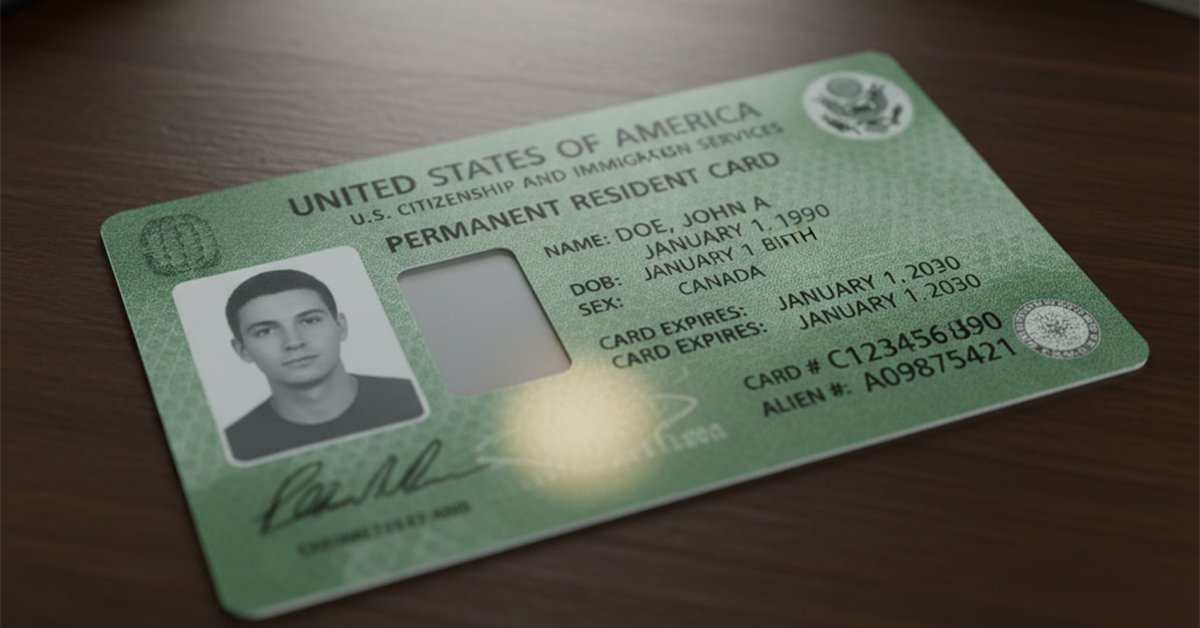

The Trump administration has proposed reinstating a controversial immigration policy that could make it significantly harder for immigrants to obtain green cards if they use government benefits like Medicaid, food assistance, or housing aid. The Department of Homeland Security filed a proposed rule with the Federal Register scheduled for publication on November 19, 2025, that would rescind Biden-era protections and expand the scope of what public benefits may be considered when determining immigration status.
What Is the Public Charge Rule?
The “public charge” ground of inadmissibility is a longstanding part of U.S. immigration law under the Immigration and Nationality Act. It allows immigration officials to deny visas, green cards, or status adjustments to noncitizens deemed likely to become primarily dependent on government support.
However, what counts as “public charge” has changed dramatically over the years, becoming a political flashpoint between administrations.
- → Need a Passport Fast? How to Expedite Your U.S. Passport Renewal Step-by-Step
- → Want a $60K+ Salary Without a 4-Year Degree? 15 Certificates You Can Finish in Under a Year
- → Planning a Trip to Europe? 6 Essential Entry Rules to Avoid Denial at the Border
- → Heading to Border Control? Key Immigration Questions You Must Be Ready to Answer
- → Planning a European Trip? What Starkville’s Indian Community Should Know About Schengen Visas
- → 11 Countries Offering Funded Ph.D. Programs for International Students
- → U.S. Dollar Reaches Two-Week High Driven by Middle East Tensions and Fed Policy Outlook
Timeline: How the Rule Has Changed
Trump’s First Term (2019)
In 2019, the Trump administration dramatically expanded the public charge definition to include:
- Supplemental Nutrition Assistance Program (SNAP/food stamps)
- Most forms of Medicaid
- Public housing assistance
- Section 8 housing vouchers
- Other non-cash benefits
This expansion created widespread confusion and fear in immigrant communities. During the COVID-19 pandemic, advocates reported immigrants feared seeking health resources, such as getting medical care or using a food bank, out of concern that they would be considered a public charge.
Biden Administration (2022)
In 2022, the Biden administration unveiled a new rule that was similar to the regulation before Trump’s 2019 revision. It meant that using benefits such as SNAP, housing aid or transportation vouchers would not count against green card applicants.
The 2022 rule narrowly restricted public charge determinations to only:
- Cash assistance for income maintenance (Supplemental Security Income and Temporary Assistance for Needy Families)
- Long-term institutional care at government expense
The rule specifically excluded:
- SNAP (food stamps)
- Routine Medicaid
- Housing assistance
- WIC (Special Supplemental Nutrition Program for Women, Infants and Children)
- Most other non-cash benefits
Proposed Trump Rule (2025)
The new proposal states: “Rescission would restore broader discretion to evaluate all pertinent facts and align with long-standing policy that aliens in the United States should be self-reliant and government benefits should not incentivize immigration”.
The proposed rule would give immigration officers significantly more discretionary power to consider virtually any use of government health or social service programs when making admissibility decisions.
Who Would Be Affected?
Green Card Applicants
Up to 400,000 people could be denied green cards or visas each year because of the rule, based on estimates from Trump’s first-term proposal.
The rule primarily affects:
- Individuals applying for permanent residency (green cards)
- Those seeking to adjust their immigration status
- Visa applicants from abroad
- Low-income families and applicants with health needs
Who Is Exempt?
Under current immigration law, certain categories are generally exempt from public charge determinations:
- Refugees
- Asylees
- Survivors of trafficking
- Veterans
- Certain children
- Special Immigrant Juveniles
- VAWA (Violence Against Women Act) self-petitioners
These exemptions would continue under the proposed rule. However, advocacy groups warn that even exempt individuals may avoid accessing benefits due to confusion and fear.
How Immigration Officers Would Make Decisions
Under the proposed approach, DHS officers would evaluate the “totality of the circumstances” when determining whether someone is likely to become a public charge. This includes:
- Age
- Health status
- Family size
- Assets and financial resources
- Education and skills
- Employment history
- Use of any government benefits (including state-funded programs)
- Affidavits of support from sponsors
The key concern among advocates is that this broad discretionary standard could lead to:
- Inconsistent decision-making across different officers
- Political bias in determinations
- Arbitrary denials
- Disproportionate impact on low-income and disabled applicants
The Chilling Effect on Public Health
Immigration advocates and public health experts warn the proposal could have consequences extending far beyond immigration status.
Healthcare Access
Even U.S. citizen children of noncitizens remain eligible for public benefits, but families may avoid enrolling them due to:
- Fear of negative immigration consequences
- Confusion about what programs count against them
- Concern about family members’ applications being denied
Historical Impact
During Trump’s first public charge rule implementation, researchers documented:
- Decreased enrollment in Medicaid and SNAP among eligible immigrant families
- Reduced use of healthcare services
- Delays in seeking necessary medical treatment
- Increased food insecurity among immigrant households
Adriana Cadena, executive director of advocacy group Protecting Immigrant Families, stated the proposal would deter lawfully present immigrants and U.S. citizens from seeking health care and help they need and qualify for under federal law.
What Advocacy Groups Are Saying
Immigration rights organizations have strongly criticized the proposal:
National Immigration Law Center President Kica Matos called it “yet another attack designed to sow fear and confusion in immigrant communities,” arguing the policy represents “Trump’s obsession with public charge” and his “vision to remake the U.S. into a country where only the white and wealthy belong.”
Community Catalyst’s Mona Shah emphasized: “Everyone deserves to be healthy, safe, and able to care for their families—no matter where they were born. DHS’ new public charge guidance sends a dangerous message: that a person’s access to health benefits make them less worthy of entry or belonging.”
National Low Income Housing Coalition President Renee M. Willis warned: “At a time when the country is working to recover from the longest government shutdown in U.S. history and reductions in housing, food, and healthcare assistance, we cannot afford to implement policies that will increase uncertainty for millions of individuals and families.”
Administrative Burden and Processing Delays
Beyond the direct impact on applicants, the rule could significantly affect immigration processing:
Economic Innovation Group’s Sam Peak noted: “When the rule was implemented during the last Trump Admin, the paperwork for green cards doubled. At the very least, the administration should exempt high-income earners and those with significant assets from this rule.”
Increased documentation requirements and expanded review criteria could lead to:
- Longer processing times for all applicants
- Higher legal costs for preparing applications
- Greater administrative burden on USCIS
- Backlogs in the immigration system
What Happens Next: The Public Comment Period
The proposed rule is currently in the early stages of the regulatory process:
Timeline
- November 19, 2025: Official publication in Federal Register
- 30-day comment period: Public, advocacy groups, and stakeholders can submit feedback
- DHS review: Agency reviews and considers public comments
- Final rule publication: DHS issues final regulation (timing uncertain)
- Implementation: Rule takes effect after final publication
How to Participate
During the public comment period, anyone can submit feedback:
- Visit regulations.gov and search for the docket number
- Submit written comments explaining how the rule would affect you or your community
- Include specific examples and data supporting your position
- Advocacy organizations are coordinating comment campaigns
What Immigrants Should Do Now
For Current Green Card Holders
If you already have permanent residency, this rule would not affect your status. However, stay informed about any future policy changes.
For Pending Applicants
If you have an application pending:
- Consult with an immigration attorney immediately
- Document all financial support and resources
- Gather evidence of self-sufficiency
- Consider timing of benefit usage if possible
- Understand which benefits may be considered
For Future Applicants
If you plan to apply for a green card:
- Carefully track any government benefit usage
- Maintain detailed financial records
- Build a strong case for financial self-sufficiency
- Consider consulting an attorney before filing
- Stay updated on the final rule’s requirements
General Precautions
Do not:
- Stop using benefits you’re legally entitled to without consulting an attorney
- Rely on social media or informal sources for legal advice
- Assume you’ll be disqualified—each case is individual
Do:
- Monitor official DHS and USCIS announcements
- Consult with qualified immigration attorneys
- Continue accessing healthcare and nutrition programs your children need
- Maintain documentation of income, assets, and financial resources
Broader Immigration Context
This proposal is part of the Trump administration’s broader immigration agenda, which includes:
- Increased immigration enforcement
- Stricter border policies
- Enhanced vetting procedures
- Emphasis on “merit-based” immigration
The administration has been making false statements of rampant fraud in immigrants’ use of social safety net programs, despite the lack of data to support the idea.
Legal Challenges Ahead
The first Trump administration’s public charge rule faced extensive litigation:
- Multiple federal courts issued injunctions
- Implementation was delayed and uneven across jurisdictions
- States and advocacy groups filed numerous lawsuits
If finalized, this new version will likely face similar legal challenges, potentially leading to:
- Court injunctions blocking implementation
- Years of legal battles
- Uncertainty for applicants during litigation
Key Takeaways
- Trump administration proposes reinstating expanded public charge rule for immigration decisions
- Up to 400,000 people annually could be affected if the rule becomes final
- 30-day public comment period begins November 19, 2025 after Federal Register publication
- Use of Medicaid, SNAP, housing assistance could count against green card applicants
- Immigration officers would gain broader discretion in evaluating applications
- Advocacy groups warn of chilling effects on public health and family welfare
- Legal challenges are expected if the rule is finalized
- Certain categories remain exempt, including refugees, asylees, and trafficking survivors
- Current green card holders are not affected by the proposed changes
The regulatory process remains in early stages, and public engagement during the comment period could influence the final outcome. Immigrants, advocates, and stakeholders should monitor developments closely and participate in the public comment process to ensure their concerns are heard.
