

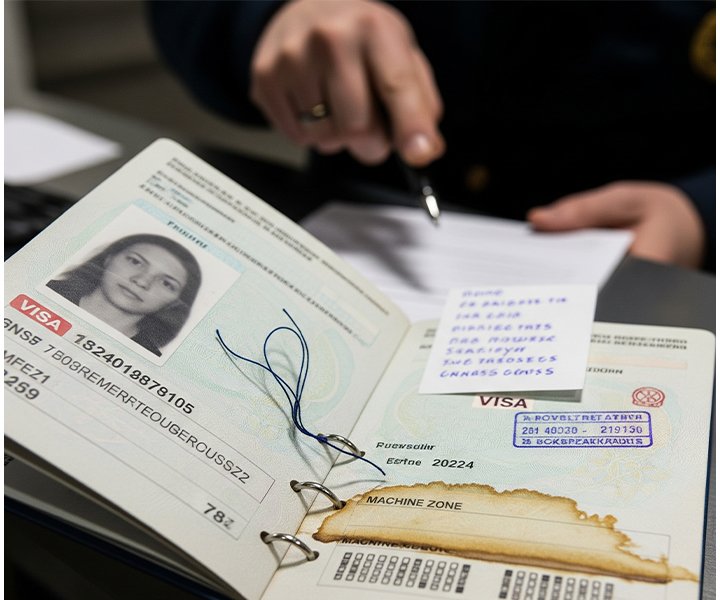
When it comes to international travel, your passport is the most important document you carry. A small tear, stain, or even loose binding can sometimes be enough for immigration officials or airlines to deny you entry—or worse, prevent you from boarding your flight.
Many travelers don’t realize that what looks like “minor wear and tear” can actually make a passport invalid in the eyes of strict border authorities. Different countries have varying levels of scrutiny, but in some destinations, even a tiny crease or a faint coffee stain can cause major issues.
If you’re planning a trip abroad, it’s important to know the most common passport mistakes that could jeopardize your travel plans, the countries with the strictest checks, and the simple precautions you can take to keep your passport in perfect condition.
Common Passport Mistakes That Raise Red Flags
1. Torn or Missing Pages
Any physical damage to your passport—especially the bio-data page with your photo and personal details—is a big problem. Even small rips can raise suspicions of tampering, and missing pages make it seem incomplete.
2. Water or Liquid Damage
Accidentally spilling water, juice, or coffee on your passport might seem harmless, but liquid damage can:
- Warp or wrinkle the pages
- Blur the printed text
- Damage the electronic chip embedded in modern e-passports
Authorities often see this as a sign of mishandling or even fraud.
3. Peeling Laminate or Binding Issues
If the laminate covering your photo starts to peel or the spine of your passport loosens, immigration officers may view it as tampered. In some countries, peeling laminate is an automatic reason for rejection.
4. Stains and Dirt
Something as small as a coffee stain, ink smudge, or fingerprint near the photo can cast doubt on the authenticity of your passport. While you might think it’s just a mark, border officials may think otherwise.
Countries Known for Strict Passport Checks
Not all destinations are equally strict, but certain countries and airlines are notorious for rejecting passports with even minor imperfections.
Indonesia
Indonesia has some of the toughest passport standards. Travelers have reportedly been denied entry for tears as small as one centimeter. Airlines flying to Indonesia are especially cautious and may refuse boarding if they see any visible damage.
Thailand and Vietnam
Both countries carefully check for stains, peeling laminate, or dirt—particularly near the photo page. Even small blemishes can be enough for immigration to send travelers back.
Australia
Australian authorities don’t tolerate damage. Issues such as a torn spine, visible cover damage, or missing pages can get you turned away before departure. Airlines flying to Australia often screen passports carefully to avoid fines.
United Arab Emirates (UAE)
If you’re traveling to Dubai or Abu Dhabi, know that detached pages, creases, or binding problems can result in denied entry. Airlines flying to the UAE are known for strict pre-screening, and passengers with questionable passports are often stopped before boarding.
Why Airlines Are Extra Careful About Damaged Passports
It’s not just immigration officials who check your passport. Airlines are often stricter than border officers because they can face heavy penalties if they carry a passenger who is refused entry at their destination.
This means airline staff are trained to spot even minor damage—such as watermarks, coffee stains, or bent covers. If they think your passport looks suspicious or damaged, they may simply refuse to let you on the flight.
Smart Tips to Keep Your Passport Travel-Ready
Since your passport is your ticket to the world, taking care of it should be a priority. Here are some practical tips:
1. Inspect Your Passport Regularly
Before booking or packing, check your passport for:
- Tears or loose pages
- Smudges, stains, or water damage
- Peeling laminate or worn-out binding
If you notice significant wear, it’s safer to renew it before your trip.
2. Use a Protective Cover
A simple passport cover can protect against bending, dirt, and accidental spills. Just avoid bulky covers that make the passport hard to scan.
3. Keep It Dry and Clean
Never store your passport in a pocket where it could get sweaty, or in a bag without protection. Keep it in a waterproof pouch if you’re traveling to humid or rainy destinations.
4. Don’t Write or Stick Anything Inside
Avoid scribbling notes, attaching stickers, or placing boarding passes inside the passport. Even innocent markings can cause suspicion at immigration counters.
5. Renew When Necessary
Most countries require your passport to be valid for at least six months beyond your intended stay. Combine that with visible damage, and you could be in trouble. If your passport is close to expiring or shows signs of wear, it’s better to renew early than risk being denied entry.
Final Thoughts
Your passport is more than just a travel document—it’s your identity abroad. A torn page, a small stain, or even a peeling edge might seem like a minor flaw, but at strict border controls, it can be the difference between enjoying your vacation and being sent back home.
By regularly checking your passport, protecting it from damage, and renewing it when necessary, you can avoid unnecessary stress and ensure smooth travels.
So, before you book your next flight, take a minute to inspect your passport—it may just save your entire trip.