
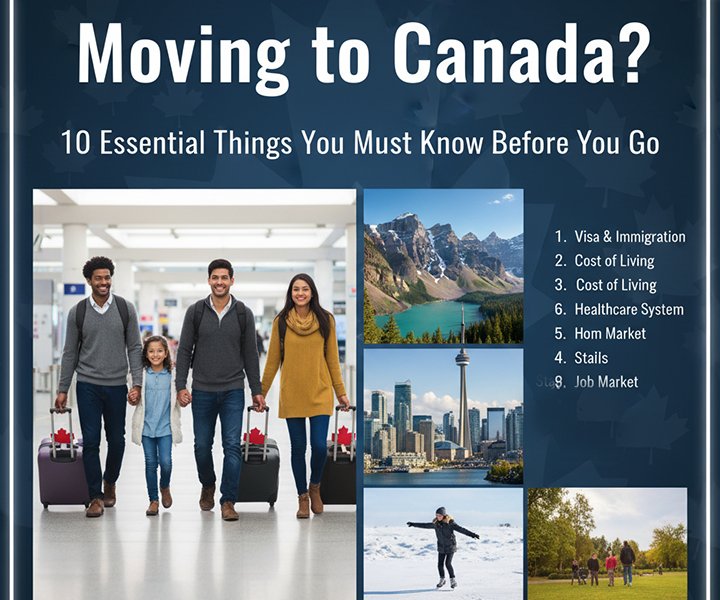
Thinking about moving to Canada? Whether you’re drawn by the promise of free healthcare, the dream of working in a diverse economy, or simply want to enjoy maple syrup straight from the source, the Great White North has plenty to offer. Canada consistently ranks among the top destinations for immigrants worldwide, but life here isn’t just about snow, politeness, and hockey. Before you book your ticket and start searching for the best poutine in town, it’s important to understand what settling in Canada really involves.
To make your journey smoother, here are 10 important things you should know before moving to Canada—complete with practical advice, insider tips, and what to expect once you arrive.
1. Immigration Isn’t Easy—Prepare for Paperwork
Canada may have a global reputation for being welcoming, but getting through its immigration system is not a walk in the park. Depending on your situation, you may need:
- Temporary Resident Visa (TRV): For those who need a visitor visa to enter Canada.
- Electronic Travel Authorization (eTA): For visa-exempt travelers arriving by air.
- Study Permits & Work Permits: If you plan to study or work in Canada, you’ll need separate applications.
- Permanent Residency Pathways: Popular routes include Express Entry, Provincial Nominee Programs (PNPs), Family Sponsorship, or programs for caregivers and entrepreneurs.
Each category has strict requirements, processing times, and documentation needs. Pro tip: Start the process as early as possible, and double-check all paperwork. Even a small mistake could delay or derail your plans.
2. Canada Speaks Two Languages—English and French
While English is the most widely spoken language, French is an official language too. In Quebec and parts of New Brunswick, French is dominant in daily life, workplaces, and even road signs. If you’re moving to Montreal, Quebec City, or other francophone regions, knowing French is a huge advantage.
Even outside Quebec, bilingual skills can give you a competitive edge in the job market. Don’t worry if your French is rusty—Canada offers many government-subsidized language programs and community classes to help immigrants improve their skills.
3. Building Credit Is Crucial
In Canada, credit history is everything. Without it, you’ll struggle to rent an apartment, get a phone plan, or qualify for loans. When you arrive, consider these steps:
- Open a Canadian bank account.
- Apply for a secured credit card.
- Always pay your bills on time.
Establishing a strong credit history early makes your financial life smoother in the long run. Tip: Even small monthly purchases—like groceries or phone bills—paid off promptly can help build your score.
4. Canadian Winters Are Serious Business
Yes, winters here are beautiful, but they’re also long, cold, and harsh in many provinces. Temperatures in Winnipeg, Regina, or northern cities can plunge to -40°C. Snowstorms, icy sidewalks, and short daylight hours are part of the experience.
That said, Canadians embrace winter like a lifestyle—skiing, skating, snowshoeing, and winter festivals make it fun. To survive (and enjoy) the season:
- Invest in quality winter gear: thermal boots, insulated coats, gloves, and layered clothing.
- Learn to drive in snow and icy conditions if you’ll own a car.
- Prepare mentally—it’s not forever; summer is worth the wait!
5. Healthcare Is Universal—But Not Perfect
One of the biggest perks of Canada is its universal healthcare system, but there are a few caveats:
- Healthcare is run at the provincial level, so coverage varies slightly between provinces.
- You must apply for a provincial health card when you arrive. Some provinces have waiting periods of up to 3 months.
- Routine doctor visits and hospital care are covered, but services like dental care, eye exams, and prescription drugs often are not.
Many newcomers buy private insurance for the first few months or to cover extras. And yes, wait times for non-emergency specialist appointments can be long.
6. Cost of Living Varies Drastically by City
Canada is vast, and so is the range in living costs.
- Toronto & Vancouver: Canada’s most expensive cities, with high rent and housing prices.
- Calgary & Ottawa: Moderate cost of living, good quality of life.
- Halifax, Regina, Winnipeg: More affordable housing, but sometimes fewer job opportunities.
Make sure to research carefully before choosing where to live. Factor in rent, food, utilities, transport, and entertainment. Many newcomers are surprised by just how much everyday expenses—like groceries or gas—add up.
7. Driving and Transportation Rules
Most Canadian cities have reliable public transit, especially Toronto, Montreal, and Vancouver. But if you’re living in suburban or rural areas, a car is almost essential.
- You can use your foreign license temporarily (usually 60–90 days), after which you’ll need to switch to a Canadian driver’s license.
- Depending on your home country, you may need to take a knowledge and road test.
- Winter driving skills are crucial—snow tires are mandatory in some provinces like Quebec.
8. Finding Jobs Takes Effort
While Canada has a strong economy, finding a good job isn’t always instant for newcomers. Common challenges include:
- Non-recognition of foreign qualifications (especially in healthcare, law, engineering). You may need additional training or certification.
- Networking matters: Many jobs are filled through referrals or professional connections. Use LinkedIn, industry groups, and community meetups to expand your circle.
- Tailored resumes: Canadian employers prefer concise, skills-focused resumes (usually 1–2 pages).
Be patient—it may take time, but Canada values diversity in the workplace and has growing opportunities in tech, healthcare, construction, and finance.
9. Canadian Culture: Politeness, Community, and Hockey
Canada has a reputation for friendliness, and it’s true—politeness and inclusivity are deeply ingrained in the culture. A few things to know:
- People often say “sorry” and “thank you” more than you expect.
- Community events, volunteer work, and neighborhood activities are great ways to integrate.
- Hockey is almost a religion—try catching a live game!
- Tim Hortons (the beloved coffee-and-doughnut chain) is practically a national symbol.
Embracing Canadian customs makes it easier to feel at home and build lasting friendships.
10. Nature Will Be Your Playground
Canada’s landscapes are breathtaking—mountains, forests, lakes, and coastlines stretch endlessly. Outdoor activities aren’t just hobbies here; they’re part of the lifestyle. Depending on where you settle, you can enjoy:
- Hiking in the Rockies (Alberta, BC)
- Canoeing in Ontario’s lakes
- Skiing in Quebec or Whistler
- Whale-watching in Nova Scotia
- Northern lights in Yukon and Northwest Territories
Take advantage of this natural beauty—it’s one of the biggest rewards of living in Canada.
Final Thoughts: Is Canada Right for You?
Canada offers incredible opportunities: a stable economy, cultural diversity, safety, and a high quality of life. But it also comes with challenges—cold winters, bureaucratic immigration, and high living costs in major cities.
If you’re well-prepared, open-minded, and ready to embrace both the perks and the challenges, your move to Canada could be the start of an exciting new chapter.
Pro tip before moving:
- Research your province of choice thoroughly.
- Plan your finances for the first 6–12 months.
- Build connections online before arriving.
- Be flexible and patient—settling takes time.
Canada rewards those who adapt, engage, and take advantage of its countless opportunities.