


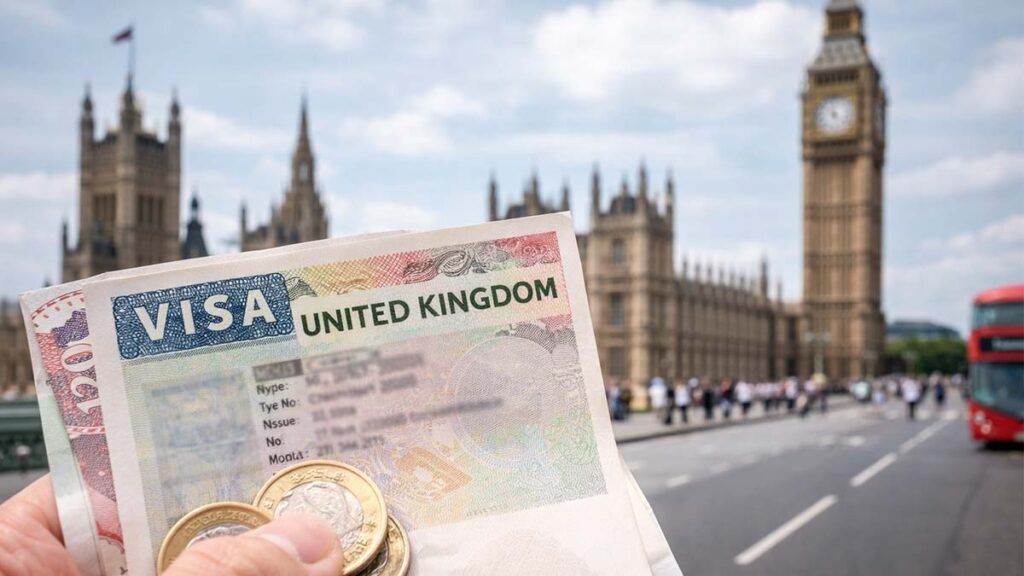
The United Kingdom is introducing a substantial rise in visa application fees starting April 8, 2026, affecting a wide range of applicants including tourists, skilled workers, students, and family-based migrants. The Home Office has confirmed that these increases are part of a broader effort to fund the immigration system and manage migration levels.
For individuals and businesses alike, this change will have immediate financial implications, making it essential to understand the updated fee structure and plan applications accordingly.
Visitor Visa Costs See Noticeable Increases
Travelers planning short-term visits to the UK will face higher costs under the new pricing structure.
Updated Visitor Visa Fees
The standard six-month visitor visa will increase to £135, representing a modest rise of £8. However, longer-term visas will see more significant jumps.
The two-year multiple-entry visa will now cost £506, an increase of £31. Long-term visitor visas, particularly popular among frequent business travelers, are experiencing the sharpest increases. The 10-year visitor visa will exceed £1,100, reaching £1,128 for the first time.
These changes reflect a broader trend of increasing fees for applicants seeking long-term flexibility.
Work Visa and Settlement Fees Climb Higher
The impact of the fee hike is even more pronounced for individuals applying under work and settlement routes.
Skilled Worker Visa Changes
Applicants applying from outside the UK for a Skilled Worker visa valid for up to three years will now pay £819, up from £769.
Settlement (Indefinite Leave to Remain)
The cost of applying for settlement has crossed a major threshold, rising to £2,064. This marks a significant milestone, as it places the UK among the most expensive countries for long-term immigration pathways.
These increases are likely to affect both individual applicants and employers sponsoring international talent.
Financial Impact on Employers and Businesses
Organizations that rely on global talent will need to reassess their budgets and mobility strategies.
Rising Corporate Costs
Companies sponsoring multiple employees, especially those hiring international graduates or transferring staff from overseas offices, may see a substantial rise in total costs. When dependants are included, expenses can quickly escalate into six-figure amounts.
Policy Adjustments Required
Employers will also need to review internal policies related to cost-sharing and reimbursements. Failure to update these policies could lead to disputes or unexpected financial burdens after the new fees take effect.
Why the UK Is Increasing Visa Fees
The government has stated that the fee increases are part of a wider strategy to fund immigration services and reduce overall migration levels.
Additional measures introduced alongside the fee hikes include stricter rules on student dependants and new controls targeting certain high-risk countries.
However, these changes have sparked debate among business groups and immigration experts.
Concerns About Competitiveness
Critics argue that rising visa costs could make the UK less attractive to international talent.
Industry organizations have pointed out that the UK is already one of the most expensive destinations among G7 countries for work visas. Concerns have been raised that further increases may discourage skilled professionals and investors from choosing the UK.
There are also calls for reforms, such as offsetting immigration-related charges against employer investments in training and workforce development.
Practical Steps Before the Deadline
With the April 8 deadline approaching, many applicants and employers are taking proactive measures.
Apply Early
Submitting applications before the new fees take effect can result in significant savings. Many businesses are accelerating their timelines to complete filings in advance.
Ensure Accurate Payments
Applicants must ensure that the correct fee is paid. Any shortfall will result in automatic refusal, leading to delays and additional costs.
Plan for Future Expenses
Individuals already in the UK should prepare for higher costs when applying for visa extensions or citizenship. The naturalisation fee, now set at £1,709, should be factored into long-term planning.
Long-Term Implications for Migrants
For international professionals and families, the rising cost of UK visas adds another layer of complexity to migration decisions.
Higher upfront costs may influence where individuals choose to work or study, especially when comparing opportunities across different countries.
For those already committed to the UK, careful financial planning will be essential to manage ongoing immigration expenses.
Conclusion
The upcoming increase in UK visa fees marks a significant shift in the country’s immigration landscape. While the government aims to strengthen the system and manage migration, the financial burden on applicants and employers is set to rise considerably.
Whether you are a visitor, skilled worker, or employer, understanding these changes and acting early can help reduce costs and avoid complications. As the UK continues to adjust its immigration policies in 2026, staying informed and planning ahead will be key to navigating the system successfully.
FAQs
When do the new visa fees take effect
The updated fees will apply from April 8, 2026.
How much is the new six-month visitor visa
It will cost £135.
What is the new cost for settlement applications
Indefinite Leave to Remain applications will cost £2,064.
Can I avoid the fee increase
Yes, by submitting your application and payment before April 8, 2026.
Will visa fees increase again in the future
The government has indicated that further increases may be possible.